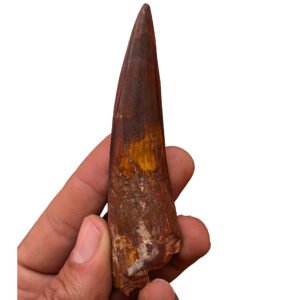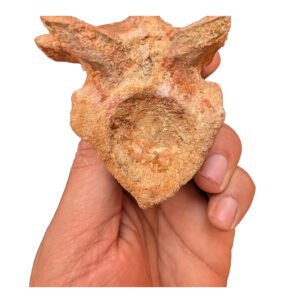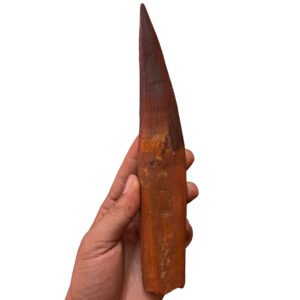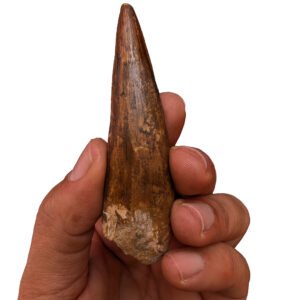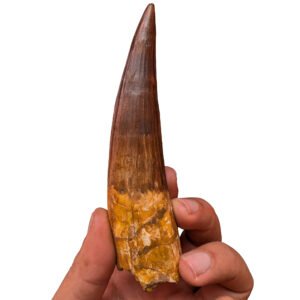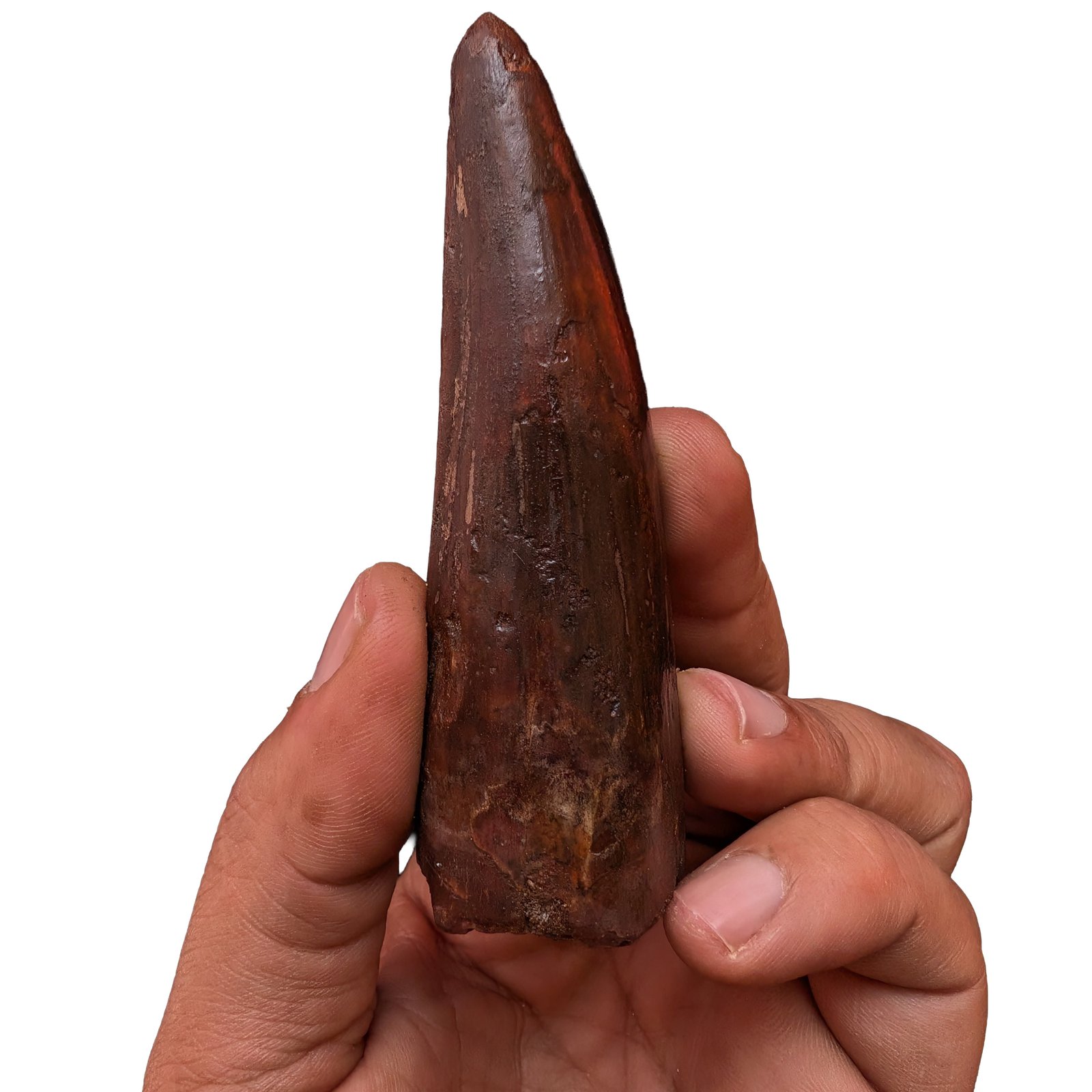
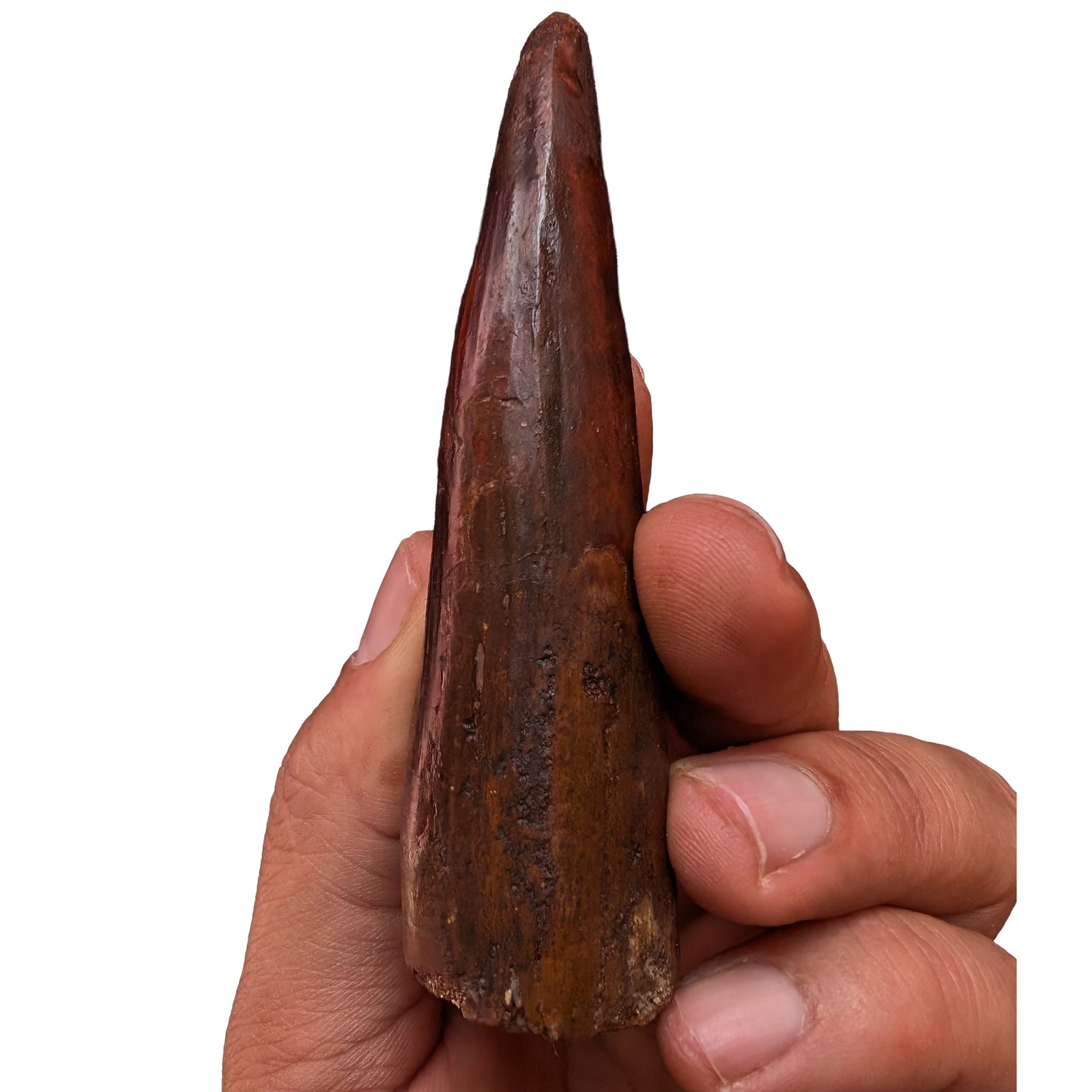
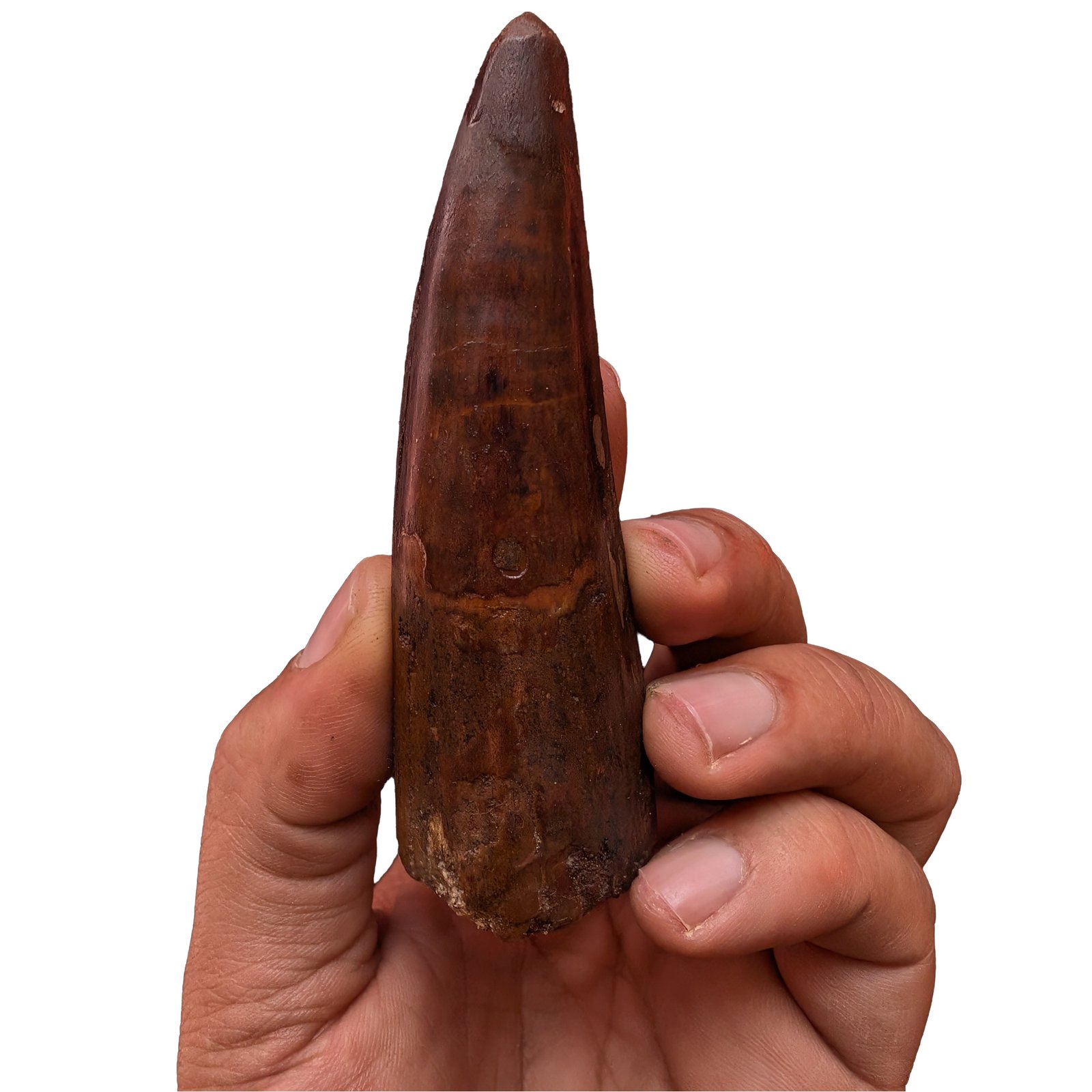
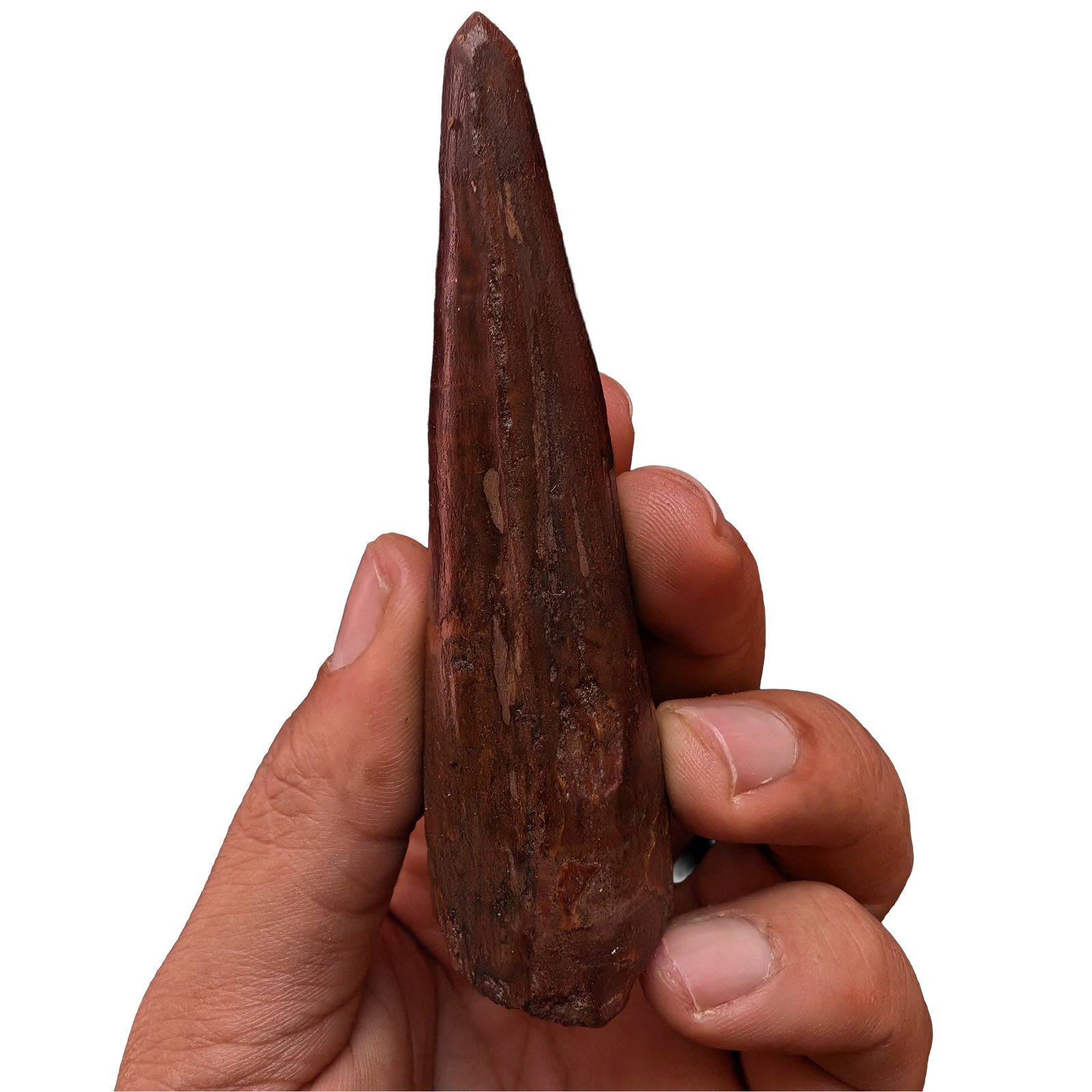
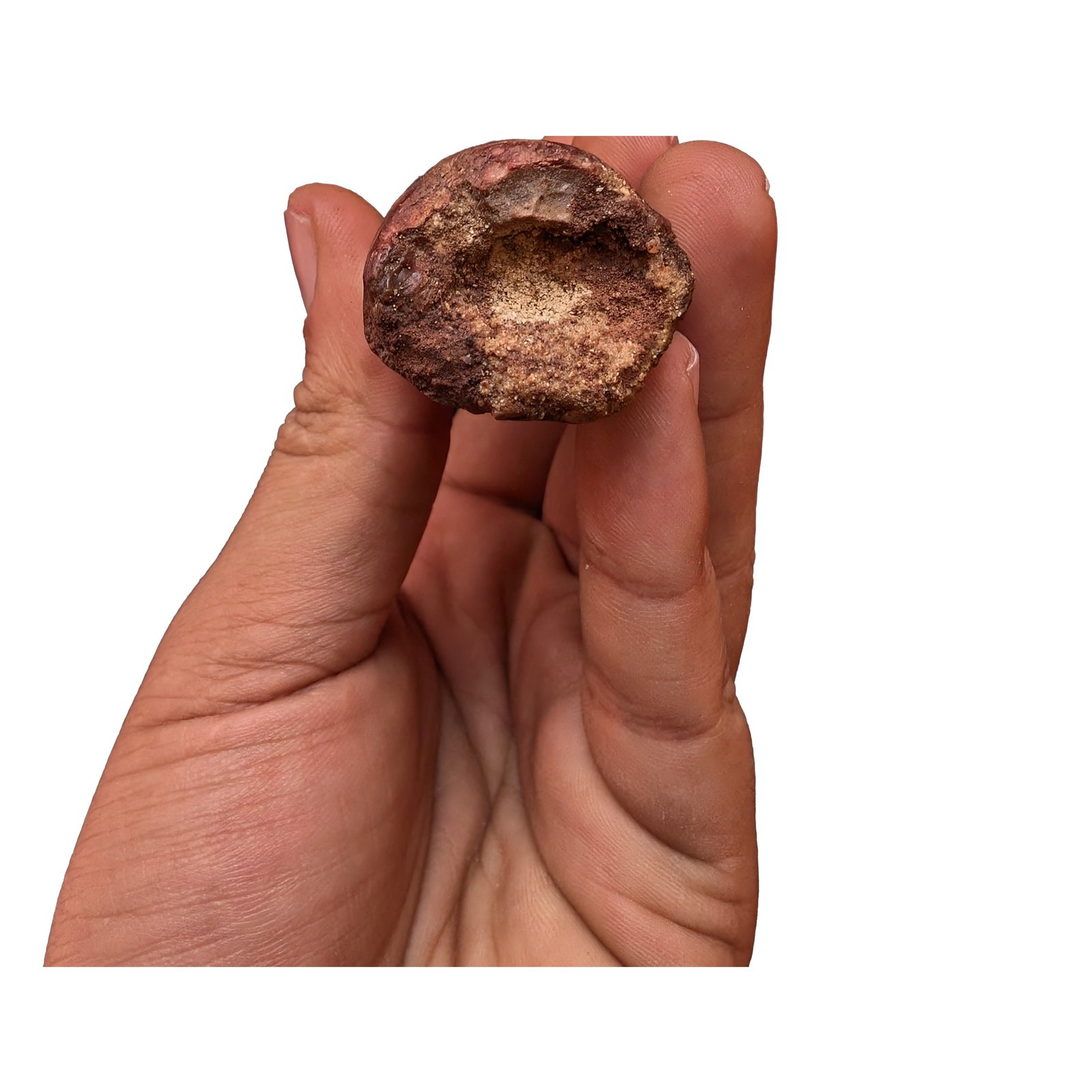
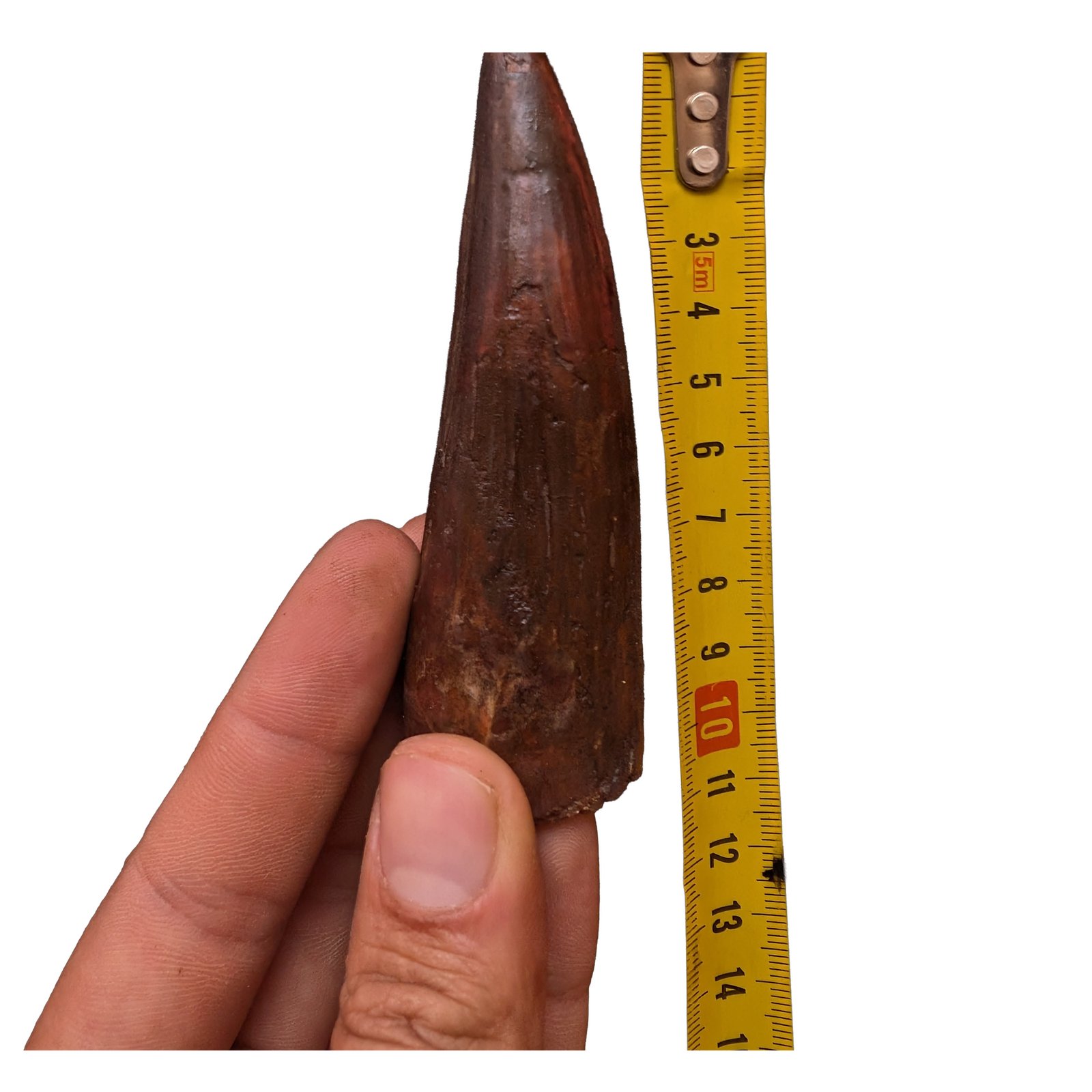

Spinosaurus Fossil Find Specimen
Spinosaurus lived about 95 million years ago during the Late Cretaceous period. The animal lived across river valleys and wet environments in what is now North Africa. Many fossils discovered today come from Morocco. Especially from the famous Kem Kem fossil beds.
Spinosaurus was one of the largest meat eating dinosaurs known. Some scientists estimate it could reach more than 15 meters long. That means it may have been longer than Tyrannosaurus rex. But its body structure was very different from most land predators.
The skull of Spinosaurus was long and narrow. Similar in shape to modern crocodiles. This design helped the dinosaur catch fish in rivers and shallow water. The teeth were cone shaped. Smooth enamel surface. Built for gripping prey instead of slicing meat.
Because of these features many researchers believe Spinosaurus spent part of its life in water. It likely hunted fish. But also small dinosaurs and other animals near river edges. The discovery of dense bones and special tail structures suggests it was a strong swimmer.
Another famous feature of Spinosaurus was the tall sail on its back. This sail formed from long spines that grew from the vertebrae. These spines supported a skin sail structure. Scientists still debate its exact purpose. Some believe it helped with body temperature control. Others think it was used for display or communication.
The Spinosaurus Fossil Find Specimen represents fossil material preserved from this prehistoric ecosystem. Most specimens from this region formed in sandstone layers deposited by ancient rivers. During the Cretaceous period the Kem Kem region was full of life. Fish. Crocodiles. Flying reptiles. And large dinosaurs like Spinosaurus.
When animals died their remains were buried under layers of sand and mud. Over millions of years the original bone material slowly mineralized. Minerals replaced organic tissue and hardened into fossil stone. That process preserved the structure of the specimen.
Each Spinosaurus Fossil Find Specimen shows natural fossil characteristics. Surface textures. Mineral coloration. Sometimes small sediment marks from the rock layer where it formed. These details give the fossil its authentic look.
Specimens are lightly cleaned but left mostly natural. This keeps the fossil close to its original state. Many collectors prefer this because it shows the true history of the specimen.
Because fossils form in nature small imperfections may exist. Minor wear. Small mineral cracks. But the fossil structure remains stable and suitable for display or study.
Collectors often enjoy specimens like this because they represent a real fossil find. A piece that once rested in ancient rock for millions of years. Now available for research. Education. Or a simple desk display.
You can explore similar specimens here:
Internal Link: Spinosaurus Fossil Collection
For more scientific background about this dinosaur visit:
External Link: https://www.nhm.ac.uk/discover/spinosaurus.html
Shipping includes protective wrapping and padded packaging. Fossils are secured carefully to reduce movement during transport. Each specimen includes a basic authenticity guarantee.
Features
Authentic Spinosaurus fossil specimen
Natural fossil material from Morocco
Educational fossil for study or classroom use
Compact display size for shelves or desks
Natural mineral color and fossil texture
Each fossil specimen is unique
Secure shipping protection included
Technical Specifications
| Specification | Details |
|---|---|
| Fossil Type | Dinosaur fossil fragment |
| Material | Mineralized bone or tooth fossil |
| Size | Approx. 9.5 cm |
| Estimated Age | ~95 million years |
| Origin | Kem Kem Beds, Morocco |