Table of Contents
These fossils were discovered in southeastern Morocco and have been preserved through natural mineralization processes over millions of years. The result is a set of high-quality specimens suitable for display, study, and research purposes.
Introduction to Your Spinosaurus Vertebrae Find
Welcome to the fascinating world of fossil collecting. This set offers you a unique opportunity to own and study genuine dinosaur remains from the Late Cretaceous period. The three vertebrae in this collection were carefully selected for their quality, preservation, and educational value. Whether you are adding to an existing fossil collection or beginning your journey into paleontology, these specimens provide an excellent foundation for understanding dinosaur anatomy and the fossilization process.
- Introduction
- About This Spinosaurus Vertebrae Find
- Scientific Significance
- What Makes This Find Special
- Display and Educational Value
- Geological Context
- Anatomy Revealed
- Collecting and Care
- FAQ
- Technical Specifications
About This Spinosaurus Vertebrae Find
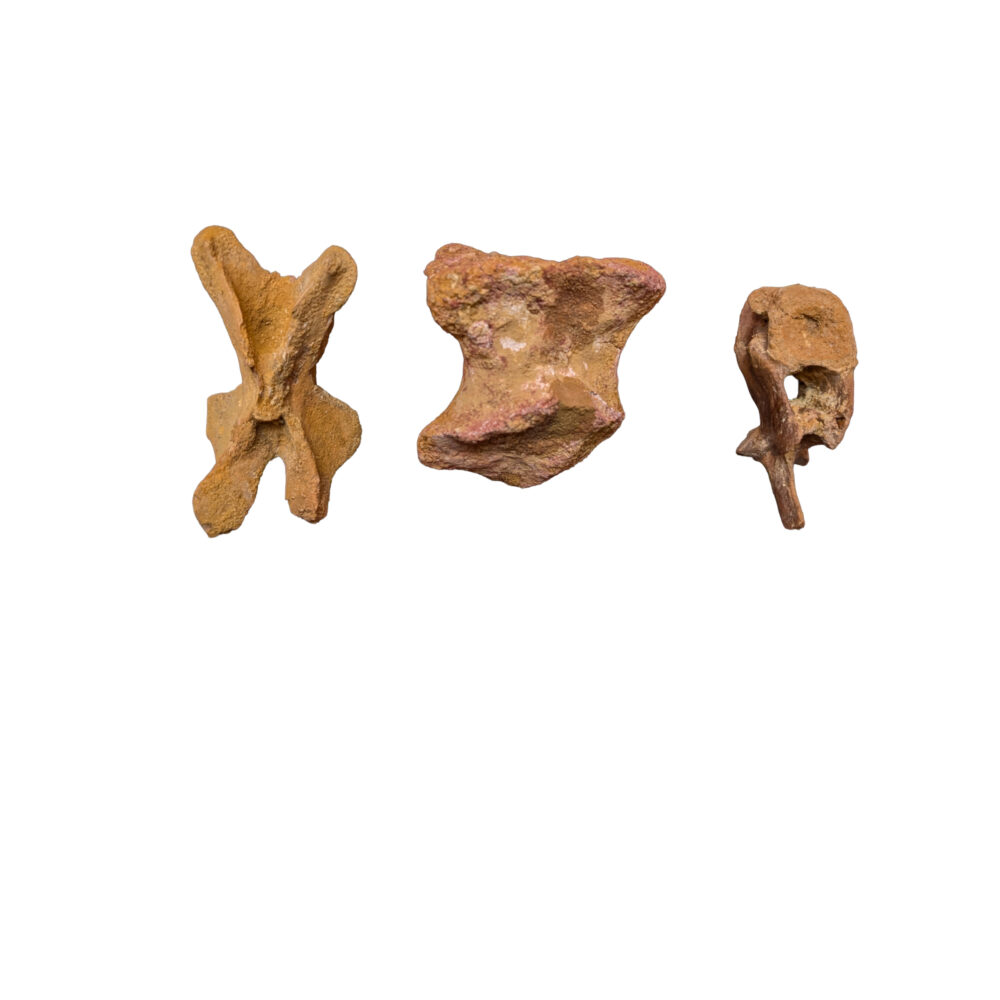
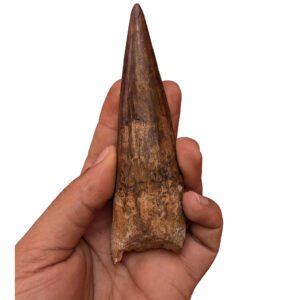
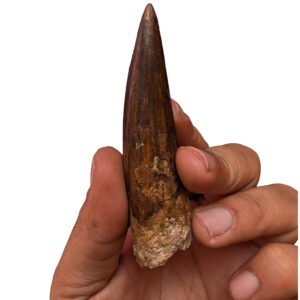
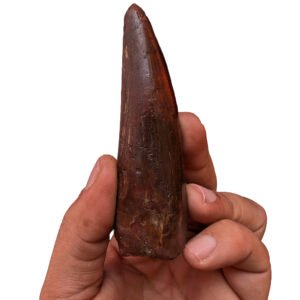
These three authentic fossil backbone bones from the Late Cretaceous period. Every specimen in this set comes from the Kem Kem fossil beds of Morocco, dated to around 95 million years ago. These vertebrae were once part of one of the largest carnivorous dinosaurs known to science, a predator that dominated ancient river systems of North Africa.
Scientific Significance of Your Spinosaurus Vertebrae Find
Spinosaurus was a massive predator that reached over 15 meters in length, making it larger than many other predatory dinosaurs. Its most distinctive feature was the tall sail on its back, formed by elongated neural spines extending from the vertebrae. Each vertebra shows natural fossil texture, mineral color patterns, and sediment marks from its original burial site. The shape of each bone reveals how muscles attached and how the animal supported its massive frame while hunting in shallow waters. The internal cavities and openings visible in these vertebrae helped reduce bone weight while still supporting the enormous body of the dinosaur, allowing it to move efficiently through its aquatic environment.
What Makes This Spinosaurus Vertebrae Find Special
This Spinosaurus Vertebrae Find includes three real fossilized bones with natural preservation details that have survived for millions of years. These vertebrae come from sandstone layers deposited by ancient river systems during the Cretaceous period. When the Spinosaurus died, its bones settled into river sediments. Over millions of years, minerals replaced the original bone structure, creating the fossil specimens preserved today. The preservation process captured incredible detail that allows modern collectors to study the anatomy of this remarkable dinosaur.
Each vertebra measures approximately 8 to 10 centimeters in length. The natural color ranges from deep brown to reddish hues, depending on the iron content in the surrounding sediment. Some surfaces show small cracks from the fossilization process. These natural features add character and authenticity to your Spinosaurus Vertebrae Find. No two specimens are exactly alike, making each set a unique piece of prehistoric history.
Display and Educational Value of Your Spinosaurus Vertebrae Find
This set is an excellent addition to any fossil collection. These specimens work well for display shelves, study trays, and classroom educational sets. Collectors choose these specimens to study real dinosaur anatomy and understand how prehistoric animals were built. The visible bone structure provides insight into dinosaur physiology and movement patterns that cannot be gained from books or digital reconstructions alone.
Whether you are a seasoned collector or a student of paleontology, a Spinosaurus Vertebrae Find makes an excellent teaching tool. The three-vertebra set allows for side-by-side comparison of bone morphology and preservation quality. Each vertebra shows different details. One may reveal clearer neural spine attachment points, while another displays more distinctive mineral patterns. This variety makes the set especially valuable for educational purposes.
Geological Context of This Spinosaurus Vertebrae Find
The Kem Kem fossil beds of southeastern Morocco are among the richest sources of Cretaceous fossils in the world. During the Cretaceous period, this region contained vast river systems teeming with life. Giant fish, crocodiles, flying reptiles, and predatory dinosaurs like Spinosaurus all thrived in this environment. The specimens you receive were formed in these ancient river sediments, collected from layers that have yielded some of the most important dinosaur fossils in paleontological history.
The fossilization process that created these fossils took millions of years to complete. After the animal died, its remains were quickly covered by layers of sand and mud. This rapid burial protected the bones from scavengers and weathering that would otherwise have destroyed them. Groundwater rich in dissolved minerals slowly seeped through the sediments over countless millennia, replacing the original bone material with stone-like minerals molecule by molecule. This natural process preserved the fine anatomical details of each vertebra visible in these specimens today. The result is a genuine fossil that offers a direct window into the prehistoric past.
Spinosaurus Anatomy Revealed Through Your Spinosaurus Vertebrae Find
Spinosaurus aegyptiacus was first described from fossils discovered in Egypt in 1915 by German paleontologist Ernst Stromer. Since then, most Spinosaurus fossils have been found in North Africa, particularly in Morocco and Egypt. This set allows collectors to own a piece of this remarkable dinosaur’s legacy. The vertebrae in this set come from the spinal column of a fully grown Spinosaurus, specifically from the region where the famous sail structure attached to the body.
The sail of Spinosaurus was formed by extremely elongated neural spines that could reach over 1.5 meters in height. These spines grew from each vertebra and created a tall ridge along the dinosaur’s back. Scientists continue to debate whether this sail was used for thermoregulation, display to attract mates, or intimidation of rivals. These specimens show the attachment points where these spines connected to the vertebrae, offering a tangible link to paleontological research.
Collecting and Caring for Your Spinosaurus Vertebrae Find
When you acquire this set, proper care will ensure its preservation for generations. Store your specimens away from direct sunlight, as UV rays can fade the natural color over time. A stable environment with moderate humidity is ideal. Avoid handling the fossils excessively, as natural oils from skin can leave residues. If cleaning is needed, use a soft brush to gently remove dust. They may be displayed in a glass cabinet, on a study shelf, or in a dedicated fossil collection case.
Each set is accompanied by information about its origin and geological age. The specimens are suitable for display in educational settings such as classrooms, museum exhibits, or personal collections. The three-vertebra configuration allows for versatile display options. You can arrange them in sequence to show the spinal column arrangement, or display them individually to highlight the unique preservation of each bone.
Comparison with Other Dinosaur Vertebrae
When you compare these fossils with vertebrae from other dinosaurs, several distinctive features become apparent. Spinosaurus vertebrae are notably different from those of theropod dinosaurs like Tyrannosaurus or Allosaurus. The vertebrae have larger internal cavities and thinner bone walls compared to those of land-based predators. This adaptation reduced the overall weight of the dinosaur, which was important for an animal that spent significant time in water.
The centrum, or main body, of each vertebra in your Spinosaurus Vertebrae Find is elongated and shows distinctive articulation surfaces where neighboring vertebrae would have connected. These surfaces, called condyles, are well-preserved in this set and demonstrate the flexibility of the dinosaur’s spine. The neural arches extending upward from each vertebra are more pronounced than in many other dinosaur species, reflecting the massive sail structure that made Spinosaurus unique among predatory dinosaurs.
The Complete Life Story Preserved in Your Spinosaurus Vertebrae Find
Every fossil set tells a story that spans nearly 100 million years. The journey began when a Spinosaurus living in the river systems of Cretaceous North Africa shed or lost these vertebrae, possibly through injury, predation, or natural death. The bones settled into the muddy river bottom where they were quickly buried by sediment carried by seasonal floods. This rapid burial was essential for preservation, as it protected the bones from scavengers, bacteria, and weathering that would have destroyed organic material.
Over the next millions of years, the sediments were buried deeper and deeper under additional layers of sand and rock. Groundwater percolating through these layers carried dissolved minerals, primarily silica and calcium carbonate. These minerals slowly precipitated into the porous bone structure, replacing organic material molecule by molecule. This process, called permineralization, turned the fossils from biological bone into stone while preserving the original microscopic structure. The iron and manganese in the groundwater gave the fossils their characteristic reddish-brown coloration.
In more recent geological history, tectonic forces and erosion brought the rock layers back to the surface. Local fossil hunters in Morocco, working in the harsh desert conditions of the Kem Kem region, carefully extracted these specimens using hand tools to avoid damage. The fossils were then prepared and stabilized for export to collectors and museums around the world. This set represents the end result of this remarkable journey through deep time.
Why Collectors Choose a Spinosaurus Vertebrae Find
Serious fossil collectors value this set for several reasons. First, Spinosaurus remains are comparatively rare compared to other North African dinosaurs. While isolated teeth are relatively common, multiple vertebra sets are much harder to acquire. This set offers three associated specimens in a single purchase, which is unusual in the fossil trade. Second, the vertebrae show different aspects of preservation, making the set more valuable for comparative study.
The scientific importance of this set cannot be overstated. Spinosaurus has been the subject of intense scientific debate in recent years, with new discoveries changing our understanding of its appearance and lifestyle. The vertebrae in this Spinosaurus Vertebrae Find contribute to this body of knowledge by providing real specimens that can be examined and studied. For collectors who value the intersection of science and collecting, this set represents an opportunity to own a piece of ongoing paleontological research.
Preparing for Your Spinosaurus Vertebrae Find Purchase
Before purchasing this set, there are several factors to consider. The size and weight of the specimens will determine how you display them. Each vertebra is substantial enough to be displayed individually on a small stand or as a group on a shelf. Consider whether you want to display all three together or rotate them individually. The natural colors will complement a variety of display settings, from modern interiors to natural history themed rooms.
If you are purchasing this set as a gift, the recipient’s level of fossil knowledge should guide your presentation. For experienced collectors, the scientific details and authenticity documentation will be most appreciated. For newcomers to fossil collecting, the visual appeal and display value of the fossils will make the strongest impression. The three-vertebra set is particularly effective as a gift because it provides immediate visual impact and educational value.
Research and Documentation of Your Spinosaurus Vertebrae Find
Each set includes contextual information about its discovery and geological context. The Kem Kem beds have been studied extensively by paleontologists from around the world, and the formation is well-documented in scientific literature. This set is part of this larger scientific record. For collectors interested in further research, we recommend consulting the scientific papers on Spinosaurus anatomy and the Kem Kem formation available through academic databases.
The preservation quality allows for detailed examination of bone structure. Serious collectors may wish to photograph and measure each vertebra, recording the dimensions, weight, and distinctive features of their specimens. These records contribute to the documentation of privately held fossils and can be shared with the collector community. Many fossil collectors maintain detailed catalogs of their specimens, and they will make a distinguished entry in any collection inventory.
Photographing Your Spinosaurus Vertebrae Find
This set deserves to be photographed well to capture its scientific and aesthetic value. Good lighting is essential for revealing the natural texture and color of your Spinosaurus Vertebrae Find. Natural indirect light works best, as it shows the true mineral coloration without harsh shadows. Position them near a window on an overcast day for the most accurate color reproduction. If using artificial light, diffuse the source through a thin cloth to avoid harsh highlights on the fossil surfaces.
When photographing your Spinosaurus Vertebrae Find, include a scale reference such as a ruler or coin to indicate the size of the specimens. Take photographs from multiple angles to capture the full three-dimensional structure of each vertebra. Macro photography is particularly effective here, as it reveals the fine details of bone texture, mineral deposits, and fossilization features that make each specimen unique. A neutral gray background helps the fossils stand out and provides accurate color reference for documentation purposes.
Frequently Asked Questions About the Spinosaurus Vertebrae Find
What is included in this Spinosaurus Vertebrae Find?
This Spinosaurus Vertebrae Find includes three authentic Spinosaurus vertebra fossils from the Kem Kem fossil beds of Morocco. Each specimen is a genuine fossilized bone from the Late Cretaceous period, approximately 95 million years old.
How can I verify the authenticity of my Spinosaurus Vertebrae Find?
Every set comes with an authenticity guarantee. The natural fossil texture, mineral color patterns, and sediment marks are all indicators of genuine fossil material that cannot be replicated.
Is this Spinosaurus Vertebrae Find suitable for educational use?
Yes. This set is an excellent educational resource for teaching dinosaur anatomy, fossil formation processes, and prehistoric life. The three-vertebra set provides a comprehensive view of spinal structure.
How should I display my Spinosaurus Vertebrae Find?
Display these specimens in a glass cabinet or on a sturdy shelf away from direct sunlight. The specimens can be arranged in sequence or displayed individually with labels showing their origin and age.
What is the size of each vertebra in this Spinosaurus Vertebrae Find?
Each vertebra in this Spinosaurus Vertebrae Find measures approximately 8 to 10 centimeters in length. Sizes may vary slightly between specimens as each fossil is unique.
Where exactly were these Spinosaurus vertebrae found?
These fossils come from the Kem Kem fossil beds in southeastern Morocco, one of the most significant Cretaceous fossil sites in the world. The region was once a vast river system where Spinosaurus thrived.
What makes this Spinosaurus Vertebrae Find a good value?
This set offers three authentic fossils in a single set, allowing for comparison and study. The multiple-vertebra configuration provides better value than purchasing individual specimens separately.
Does the Spinosaurus Vertebrae Find come with documentation?
Yes, the set includes information about the geological context, estimated age, and origin of the specimens.
How was this Spinosaurus Vertebrae Find prepared?
This Spinosaurus Vertebrae Find was carefully extracted from the fossil beds and minimally prepared to preserve natural features. The natural matrix and mineral deposits have been retained where possible to maintain scientific integrity.
Can I handle my Spinosaurus Vertebrae Find?
While you can handle these specimens, we recommend minimal handling to preserve the natural surface. When handling, support the specimen from underneath and avoid touching the surface excessively.
Technical Specifications: Spinosaurus Vertebrae Find
| Specification | Details |
|---|---|
| Fossil Type | Dinosaur vertebra fossils |
| Species | Spinosaurus aegyptiacus |
| Material | Mineralized fossil bone |
| Quantity | 3 vertebrae |
| Size | Approx. 8-10 cm per vertebra |
| Estimated Age | ~95 million years (Late Cretaceous) |
| Geological Formation | Kem Kem Beds |
| Origin | Morocco, North Africa |
| Period | Cretaceous Period |
| SKU | SPIN-VERT-MOR-001 |
Explore More Fossils
Browse our Spinosaurus Fossil Collection for more authentic specimens. For scientific information about Spinosaurus, visit the Natural History Museum reference page.