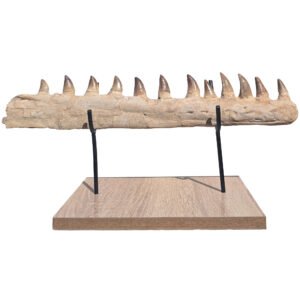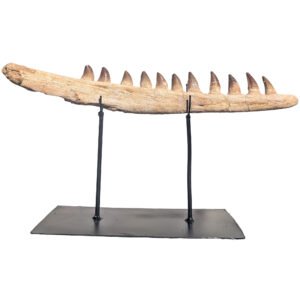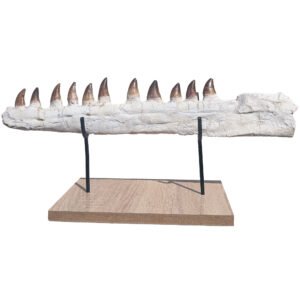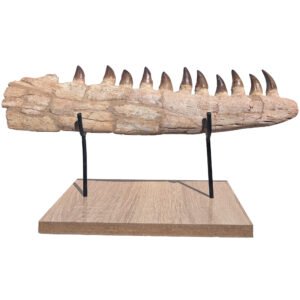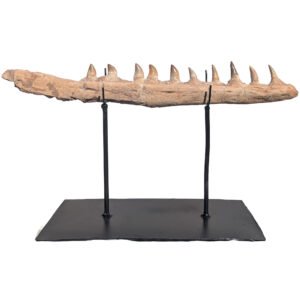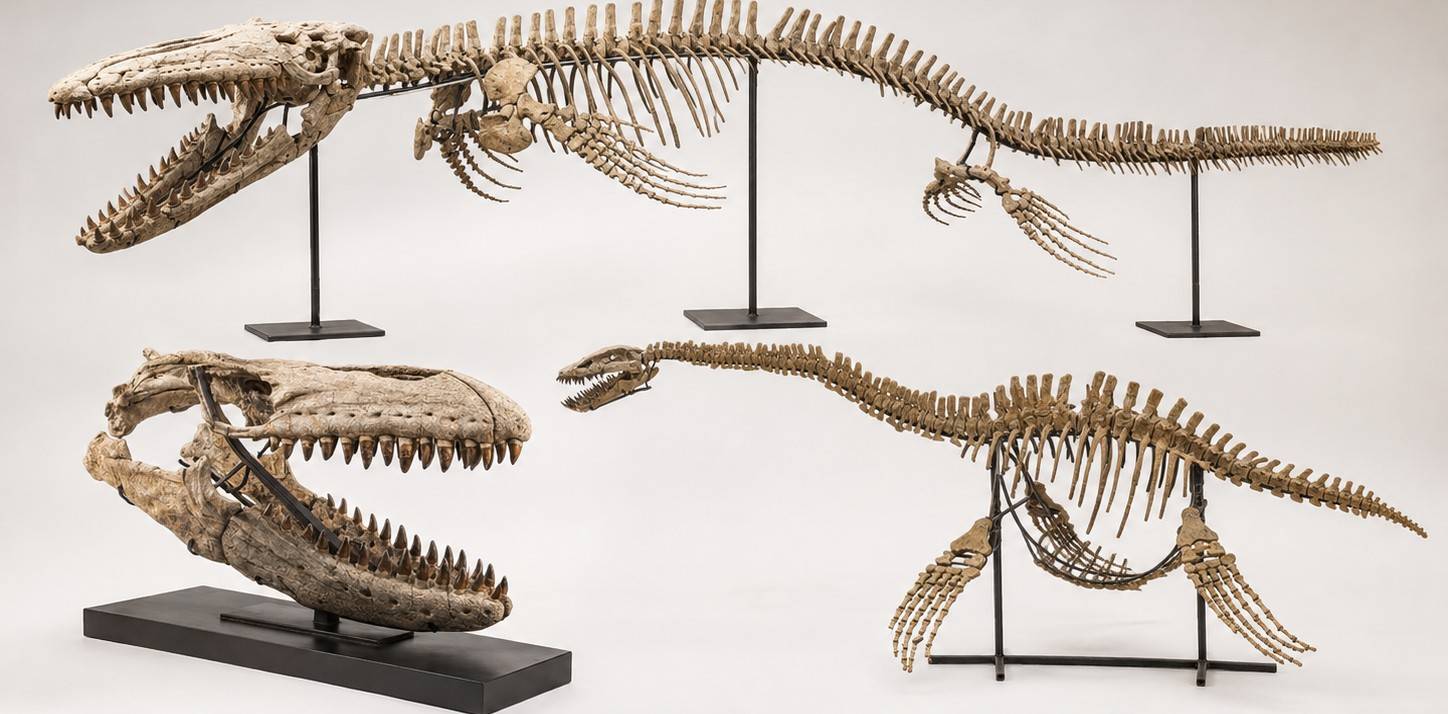

Introduction to Mosasaur Jaw Fossil Morocco
Welcome to our showcase of the extraordinary Mosasaur Jaw Fossil Morocco, a relic from the Late Cretaceous period, approximately 66-70 million years ago. This specimen is a pinnacle of fossil collecting, offering a glimpse into the marine ecosystems of Morocco during a bygone era. The Mosasaur Jaw Fossil Morocco is not just a fossil, but a window into the past, highlighting the dominance of Mosasaurus in the ancient seas. As we delve into the details of this incredible find, the significance of the Mosasaur Jaw Fossil Morocco will become abundantly clear.
The Mosasaur Jaw Fossil Morocco is a treasure for any serious collector, given its rarity and the insights it provides into the biology and ecology of Mosasaurus. Throughout this description, we will explore the various facets of the Mosasaur Jaw Fossil Morocco, from its scientific importance to its display and care. Whether you are a seasoned collector or just beginning your journey, the Mosasaur Jaw Fossil Morocco is an unparalleled addition to any collection.
For those intrigued by the Mosasaur Jaw Fossil Morocco, this in-depth guide is designed to enlighten and inspire, whether you’re considering adding this specimen to your collection or simply fascinated by the Mosasaur Jaw Fossil Morocco’s historical significance. The Mosasaur Jaw Fossil Morocco is more than just a fossil; it’s a piece of history that connects us to a time when these magnificent creatures ruled the seas.
Scientific Significance of Mosasaur Jaw Fossil Morocco
The Mosasaur Jaw Fossil Morocco holds a paramount position in the realm of paleontology due to its exceptional preservation and the light it sheds on the evolutionary biology of Mosasaurus. Found in the phosphatic deposits of Morocco, a region renowned for its rich fossil beds, the Mosasaur Jaw Fossil Morocco provides invaluable data on the biogeography and diversity of marine reptiles during the Late Cretaceous. The study of the Mosasaur Jaw Fossil Morocco has contributed significantly to our understanding of these apex predators and their ecosystems. Collectors of the Mosasaur Jaw Fossil Morocco are essentially custodians of crucial scientific heritage.
Research on the Mosasaur Jaw Fossil Morocco has illuminated aspects of Mosasaurus’s feeding behavior, given the well-preserved state of the jaw and associated teeth. This has sparked numerous studies comparing the Mosasaur Jaw Fossil Morocco with similar findings worldwide, highlighting the global significance of Moroccan fossil sites. For enthusiasts of the Mosasaur Jaw Fossil Morocco, the opportunity to own such a specimen is a rare privilege, connecting them directly with the scientific narrative of these ancient creatures.
The this marine reptile fossil is a constant reminder of the importance of Morocco as a hub for paleontological discoveries, particularly for Mosasaurus specimens. The Mosasaur jaw fossil’s presence in collections around the world is a testament to the enduring fascination with these prehistoric giants. As a collector, possessing a fossil remains means being part of a community that values the scientific and historical importance of such finds.
Origin and Geological Context of Mosasaur jaw fossil
The this fossil originates from the Late Cretaceous deposits in Morocco, specifically from regions known for their phosphate-rich sediments. These geological formations are the result of ancient marine environments, where the conditions for fossilization were optimal. The discovery of the the specimen in these layers not only attests to the specimen’s age but also to the complex geological history of the North African coast. Understanding the origin of the this fossil is crucial for appreciating its value and the story it tells about the Earth’s past.
The phosphatic deposits, where the this fossil was found, are a product of millions of years of marine life accumulation, followed by rapid burial and the right chemical conditions for fossil preservation. This context makes the Mosasaur jaw fossil a remarkable example of how geological processes can preserve biological history. For collectors, the Mosasaur material serves as a tangible link to these ancient, now vanished, worlds.
The geological context of the these fossils also underscores the challenges and delicacy involved in its excavation and preparation. Each the jaw specimen is a testament to the patience and skill of the paleontologists and preparators who painstakingly uncover and restore these relics. Owning a this piece is not just about possessing a fossil, but also about respecting the journey it took to reach a collection.
Display and Collecting Mosasaur jaw fossil
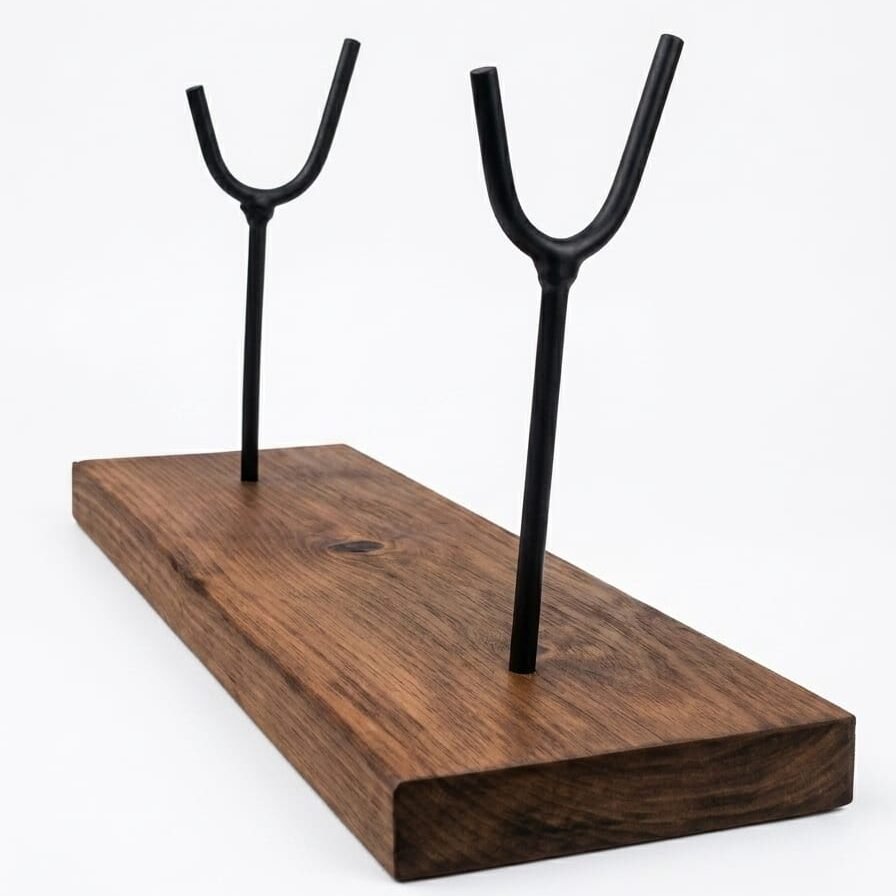
For collectors, the the specimen is a centerpiece that commands attention and inspires awe. Given its size (typically ranging from 30 to 50 cm) and the dramatic appearance of the jaw, the this fossil specimen is best displayed in a well-lit, secure environment that protects the specimen from damage and ensures its longevity. Custom-made cabinets or display cases are ideal for showcasing the the jaw, highlighting its natural beauty and historical significance.
Collectors of the Mosasaur material often seek to contextualize their specimen with complementary pieces or educational displays, enhancing the overall narrative of the fossil. This might include information panels, related fossils from the same geological period, or even replicas of Mosasaurus for a more immersive display. The Mosasaur material is a conversation starter and an educational tool, making it a valuable asset for both personal collections and public exhibitions.
The value of the this specimen lies not only in its scientific importance but also in its aesthetic appeal, making it a prized possession for any fossil enthusiast. As with all valuable specimens, the fossil remains should be handled minimally and with care, ideally by professionals when being moved or prepared for display. The allure of the Mosasaur material attracts collectors worldwide, given its rarity and the complete picture it paints of prehistoric marine life.
Anatomy of this piece
The anatomy of the this marine reptile fossil is characteristic of Mosasaurus, with a robust jaw equipped with conical, pointed teeth adapted for grasping and killing prey. The preservation of the jaw’s articulation in the Moroccan fossil allows for detailed study of the species’ biomechanics and feeding strategies. Collectors fascinated by the these fossils often appreciate the specimen’s educational potential, offering insights into the evolutionary adaptations of marine reptiles.
A closer examination of the the specimen reveals the intricate details of the dental structure, which is a hallmark of Mosasaurus’s predatory prowess. The arrangement and condition of the teeth in the the Mosasaur jaw can provide clues about the individual’s age, diet, and possibly even its cause of death. For serious collectors, such nuances make the this fossil specimen invaluable for both display and study.
The the Cretaceous fossil’s anatomical integrity is a testament to the exceptional conditions under which it was fossilized. The level of detail preserved in the this fossil specimen makes it a significant resource for paleontological research, even as it serves as a stunning display piece. Whether for scientific investigation or aesthetic appeal, the these fossils is unparalleled among fossil finds from the Late Cretaceous of Morocco.
Care and Maintenance of the Mosasaur jaw
To ensure the longevity of the this specimen, it is crucial to maintain a stable environmental condition, avoiding extreme temperatures and humidity. The specimen should be kept away from direct sunlight to prevent fading or degradation of the fossilized material. Regular, gentle dusting with a soft-bristled brush is the only recommended cleaning method for the this marine reptile fossil, as chemical cleaners can damage the fossil.
Handling the the Mosasaur jaw should be minimized and, when necessary, done with clean, dry gloves to prevent oil from skin damaging the specimen. For transportation, the these fossils must be securely packed to prevent movement or impact. Adherence to these care guidelines ensures that the these fossils remains a cherished and well-preserved part of a collection for generations.
The long-term preservation of the this fossil is a responsibility that comes with its ownership. By following proper care and storage procedures, collectors can safeguard the this specimen against deterioration, preserving its scientific and collector value. The durability of the this specimen, when properly cared for, makes it a lasting treasure for any fossil collection.
| Fossil Type | Species | Material | Size | Age | Origin |
|---|---|---|---|---|---|
| Jaw Fossil | Mosasaurus | Fossilized Bone | 30-50 cm | 66-70 million years | Morocco |
Frequently Asked Questions about the specimen
Q: What makes the this marine reptile fossil so rare?
A: The rarity of the this fossil stems from the specific conditions required for its preservation, the challenges of excavation, and the limited geographical areas where such fossils are found.
Q: Can I touch the the Mosasaur jaw?
A: It is advised to minimize handling of the the jaw specimen. If handling is necessary, use clean, dry gloves to protect the fossil from skin oils.
Q: How do I know if this fossil specimen is authentic?
A: Authenticity can be verified through certification from reputable fossil dealers or paleontological institutions, and sometimes, through visible characteristics that distinguish it from replicas.
Q: Is the the Cretaceous fossil suitable for educational settings?
A: Yes, the this fossil is highly suitable for educational environments due to its educational value and potential for inspiring interest in paleontology and natural history.
Q: Can I restore or prepare the this fossil specimen myself?
A: No, it is strongly recommended to leave the preparation and any restoration of the the jaw to professional paleontological preparators to avoid damaging the specimen.
Q: How does the these fossils contribute to scientific research?
A: The these fossils contributes significantly by providing data on Mosasaurus’s anatomy, behavior, and the ecosystems of the Late Cretaceous, especially in Moroccan fossil beds.
Exploring the this piece Further
For those captivated by the this fossil specimen, delving deeper into the world of Mosasaurus reveals a complex, fascinating creature. From its dominance in Late Cretaceous seas to its eventual extinction, the story of Mosasaurus, as told through specimens like the this specimen, is a compelling narrative of evolution and ecological shift.
The this fossil is more than a relic of the past; it’s a key to understanding the dynamics of ancient marine ecosystems. As a collector’s item, it embodies the thrill of discovery and the importance of preserving our planet’s history. Whether displayed proudly or studied intently, the the Cretaceous fossil is a timeless treasure.
Owning a Mosasaur Jaw Fossil Morocco is a unique opportunity to possess a piece of this narrative, a tangible connection to the research and wonder that Mosasaurus inspires. As a focal point in any collection, the Mosasaur Jaw Fossil Morocco promises to educate, intrigue, and inspire all who encounter it.
Scientific Research Value of Mosasaur Jaw Fossil Morocco
This Mosasaur Jaw Fossil Morocco provides valuable material for scientific research into mosasaur biology and evolution. Researchers study jaw morphology, tooth replacement patterns, and wear marks to understand feeding behavior and growth rates. By making specimens available to collectors, we help preserve fossils that might otherwise be lost to erosion and weathering.
Each Mosasaur Jaw Fossil Morocco contributes to our understanding of Cretaceous marine ecosystems. The phosphate deposits of Morocco have yielded some of the best-preserved Mosasaur material in the world, making Mosasaur Jaw Fossil Morocco specimens particularly valuable for comparative studies with fossils from other regions.
Specimen Selection Criteria
Every Mosasaur Jaw Fossil Morocco we offer has been carefully selected for its display quality and preservation. We evaluate each specimen for completeness, natural color, and visible anatomical features. The Mosasaur Jaw Fossil Morocco you receive will have been chosen for its aesthetic appeal and scientific value, representing the best specimens available at the time of your purchase.
Our team inspects each Mosasaur Jaw Fossil Morocco to ensure it meets quality standards before listing. We maintain relationships with trusted suppliers in Morocco who share our commitment to authenticity and quality. This ensures that every Mosasaur Jaw Fossil Morocco in our inventory has been ethically sourced and accurately represented.
This Mosasaur Jaw Fossil Morocco has been carefully preserved through natural fossilization processes that transformed the original bone into durable mineralized stone over millions of years. The fossil you receive is a genuine piece of Earth’s prehistoric past, offering a tangible connection to the marine ecosystems that existed during the Late Cretaceous period in what is now Morocco.
Preservation Quality of Mosasaur Jaw Fossil Morocco
The preservation quality of a Mosasaur jaw fossil depends on the specific conditions at the fossil site. Specimens from the Oulad Abdoun Basin in Morocco are renowned for their exceptional preservation due to the phosphate-rich environment. This fossil has been carefully extracted and prepared to maintain its scientific integrity while revealing the natural beauty of the preserved bone structure.
Collectors should examine the fine details visible in this specimen. The natural texture of the fossilized bone, the preserved tooth sockets, and the overall structural integrity all indicate the quality of preservation. Each Mosasaur jaw fossil is unique, with its own color patterns and preservation characteristics that reflect the specific conditions of its fossilization.
Collecting Mosasaur Fossils as an Investment
The fossil market has shown consistent growth over the past decades, with quality specimens appreciating in value. Mosasaur fossils from Morocco offer an accessible entry point for collectors interested in marine reptile material. The combination of scientific significance, display appeal, and relative affordability makes these specimens attractive for both new and experienced collectors.
When evaluating a Mosasaur jaw fossil for purchase, collectors should consider the completeness of the specimen, the quality of tooth preservation, and the overall aesthetic presentation. Well-preserved specimens with visible teeth and natural matrix typically command higher prices. This specimen has been selected for its quality and represents good value at its price point.
Satisfaction Guarantee
Every fossil purchase includes our satisfaction guarantee. We carefully inspect each specimen before listing and provide accurate descriptions of condition and preservation. If you have any questions about your fossil before or after purchase, our team is available to assist. We stand behind the authenticity of every specimen we sell.
Comparison with Other Marine Reptile Fossils
When compared to other types of marine reptile fossils, a Mosasaur jaw offers particularly impressive display qualities. The size and recognizable shape of jaw specimens make them immediately identifiable and visually striking. Unlike isolated teeth or vertebrae, a jaw section provides a more complete picture of the animal’s anatomy and feeding adaptations.
This specimen compares favorably to similar fossils from other regions. Moroccan Mosasaur material is known for its excellent preservation and reasonable pricing compared to specimens from North America or Europe. The combination of quality and value makes this an attractive option for collectors at various experience levels.
Whether you are adding to an existing collection or starting your journey into fossil collecting, this Mosasaur Jaw Fossil Morocco represents an excellent choice. The combination of scientific value, display appeal, and reasonable pricing makes this specimen a worthwhile addition to any fossil collection. Order with confidence knowing that each specimen is backed by our authenticity guarantee.
Order with confidence. We ship all fossils in secure packaging with tracking and insurance included. International orders typically arrive within 7 to 14 business days.
Your satisfaction is guaranteed with every purchase from our store.
Explore More Fossils
Browse our Mosasaurus Jaw Fossil Collection for more authentic specimens. For scientific information, visit the Mosasaurus reference page.