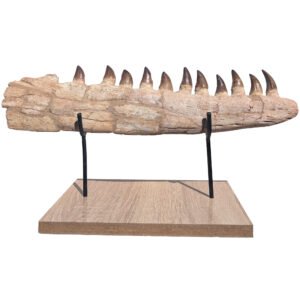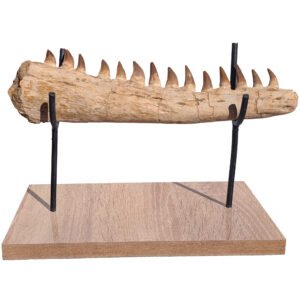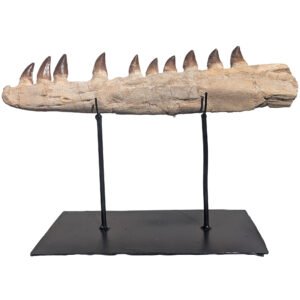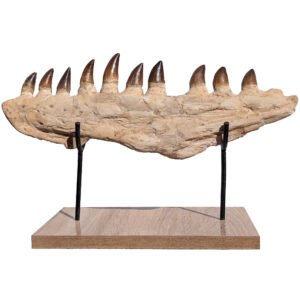
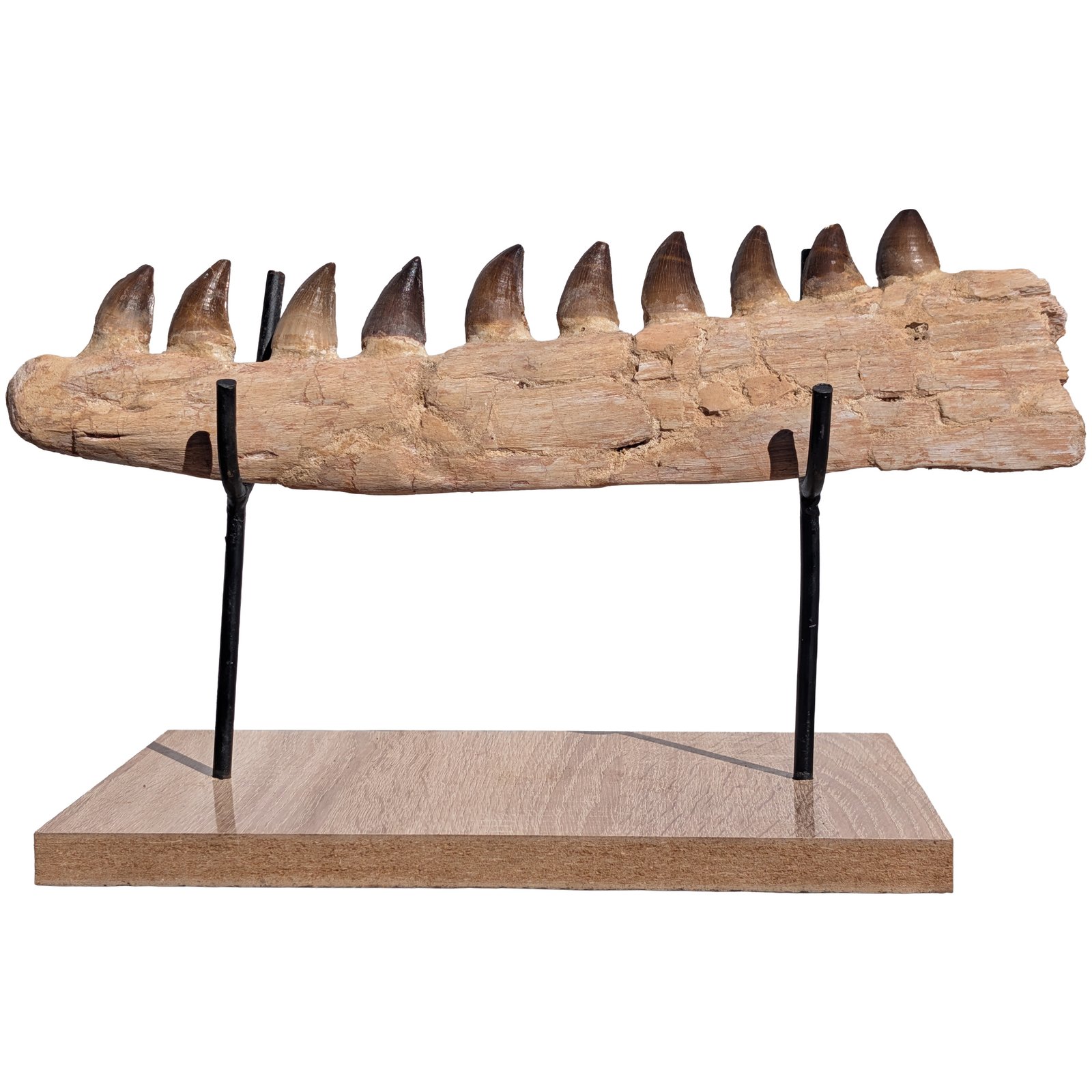
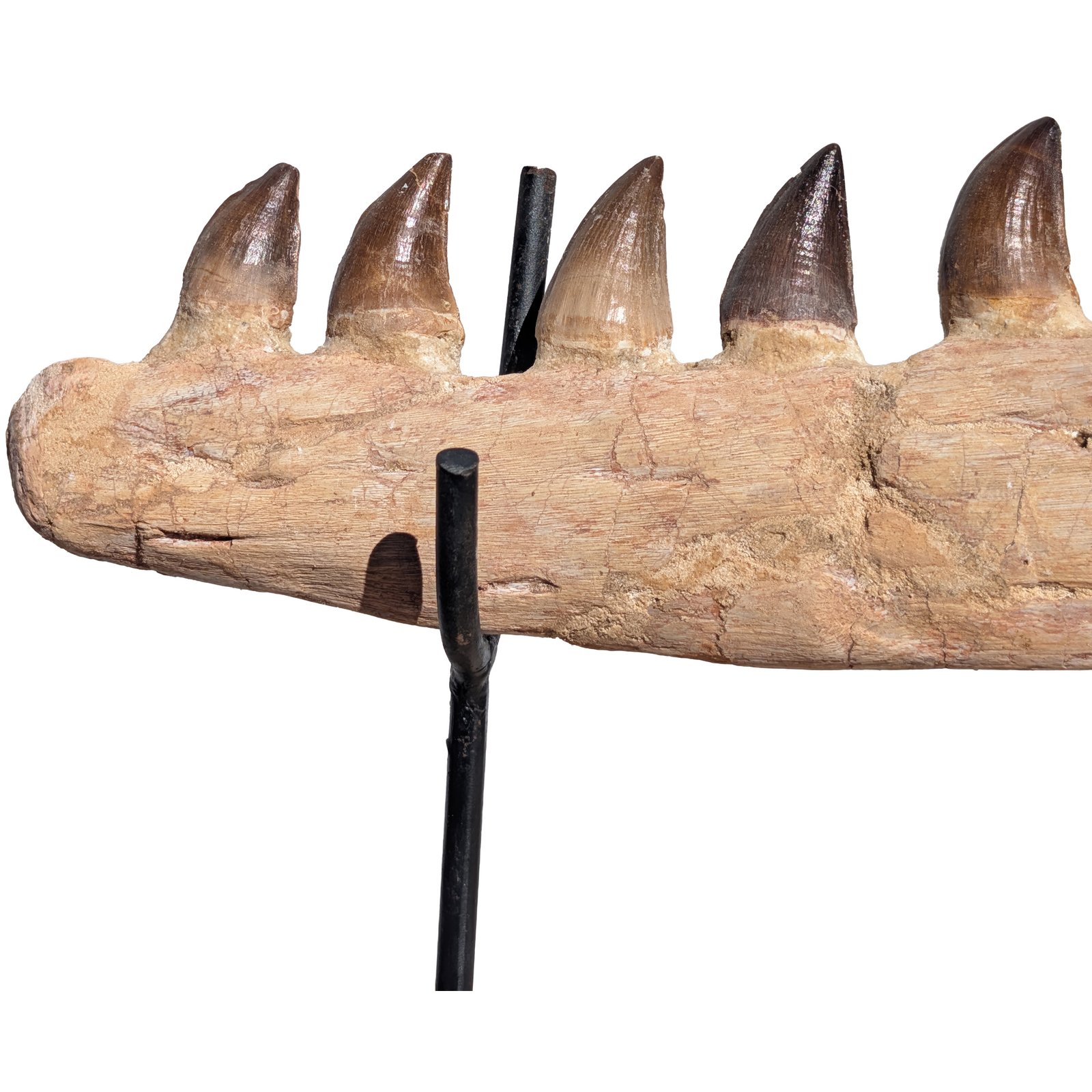
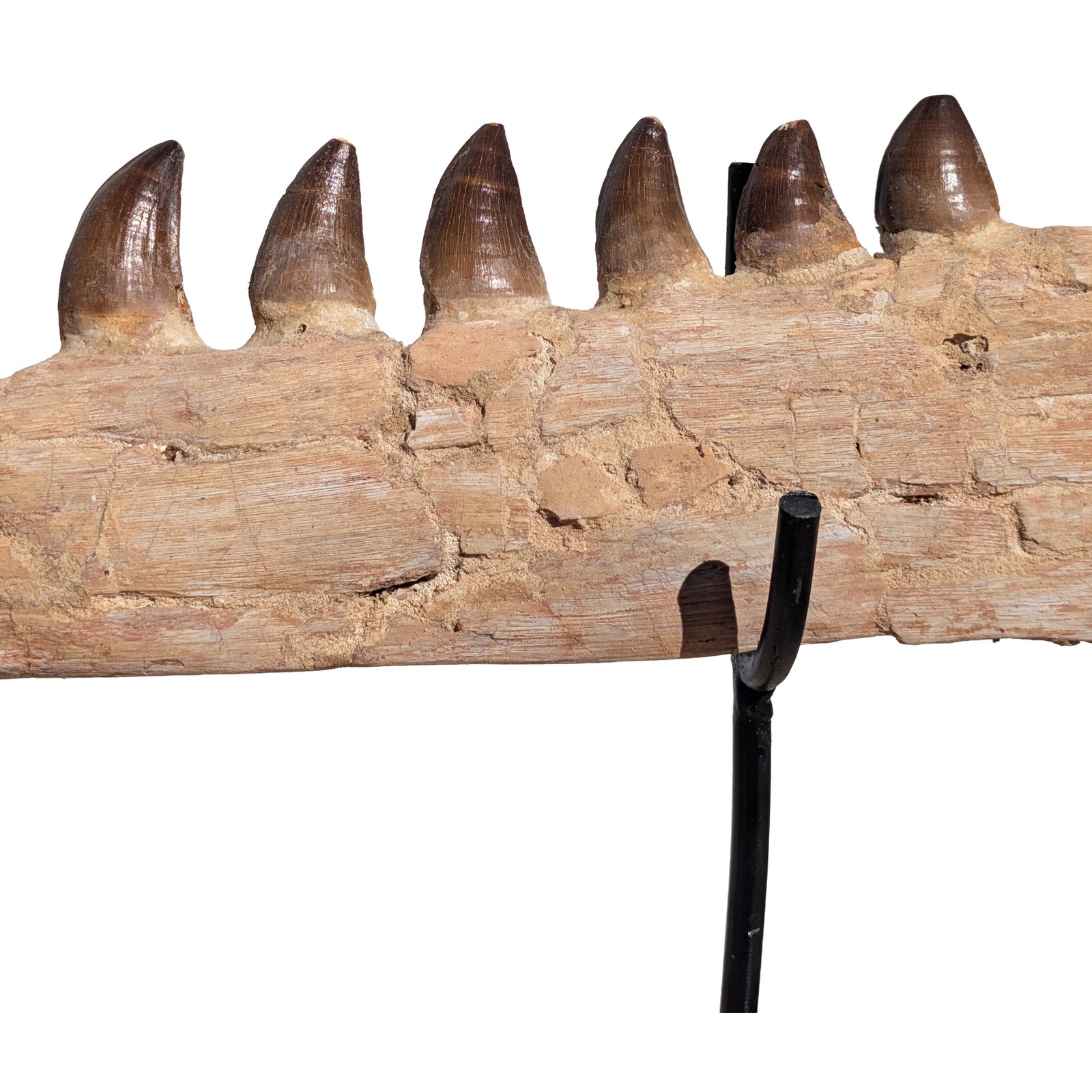

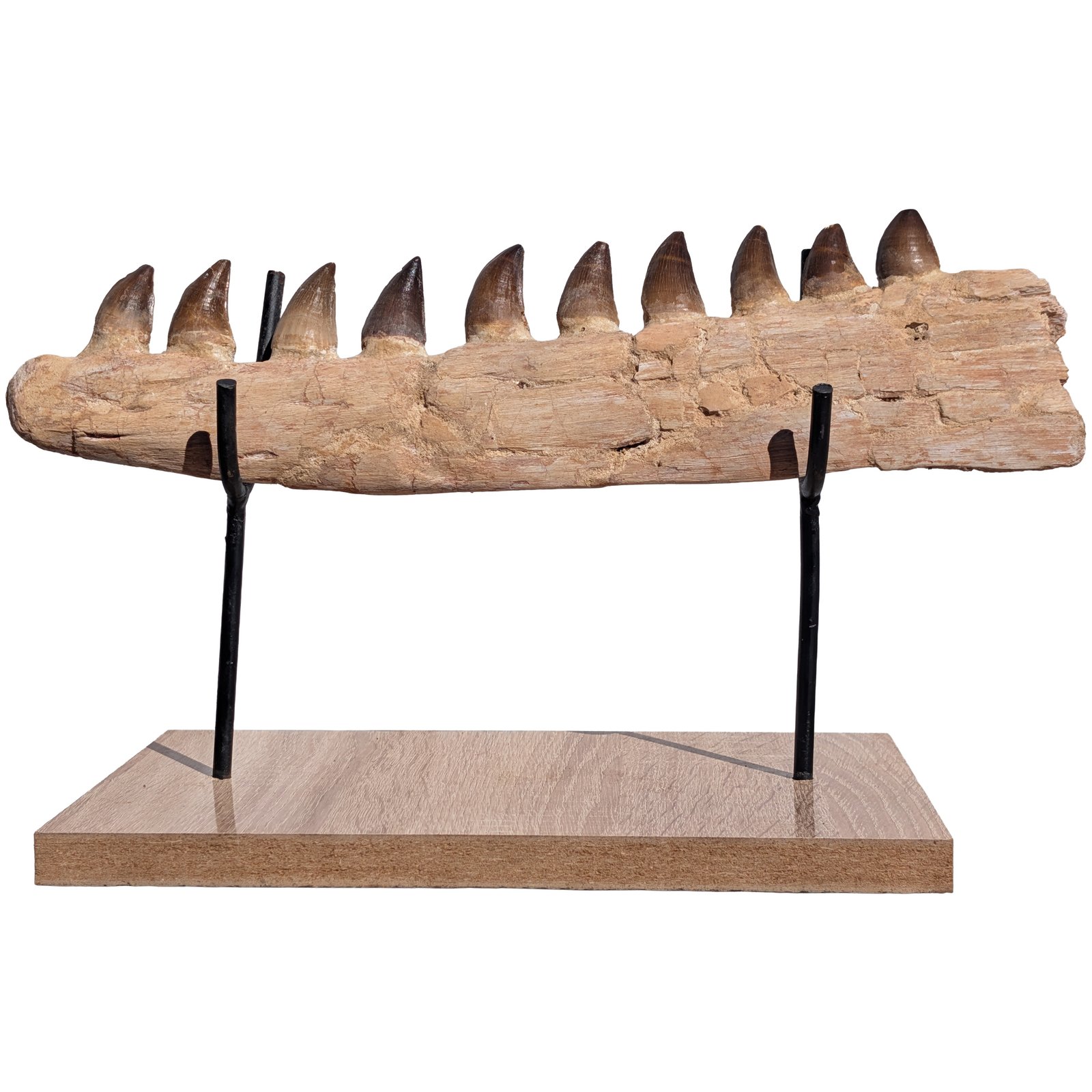
Introduction to Mosasaur Exhibit Jaw Display
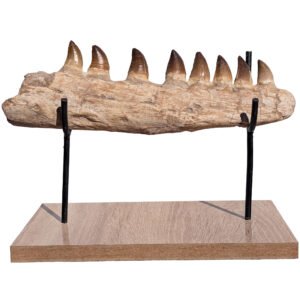
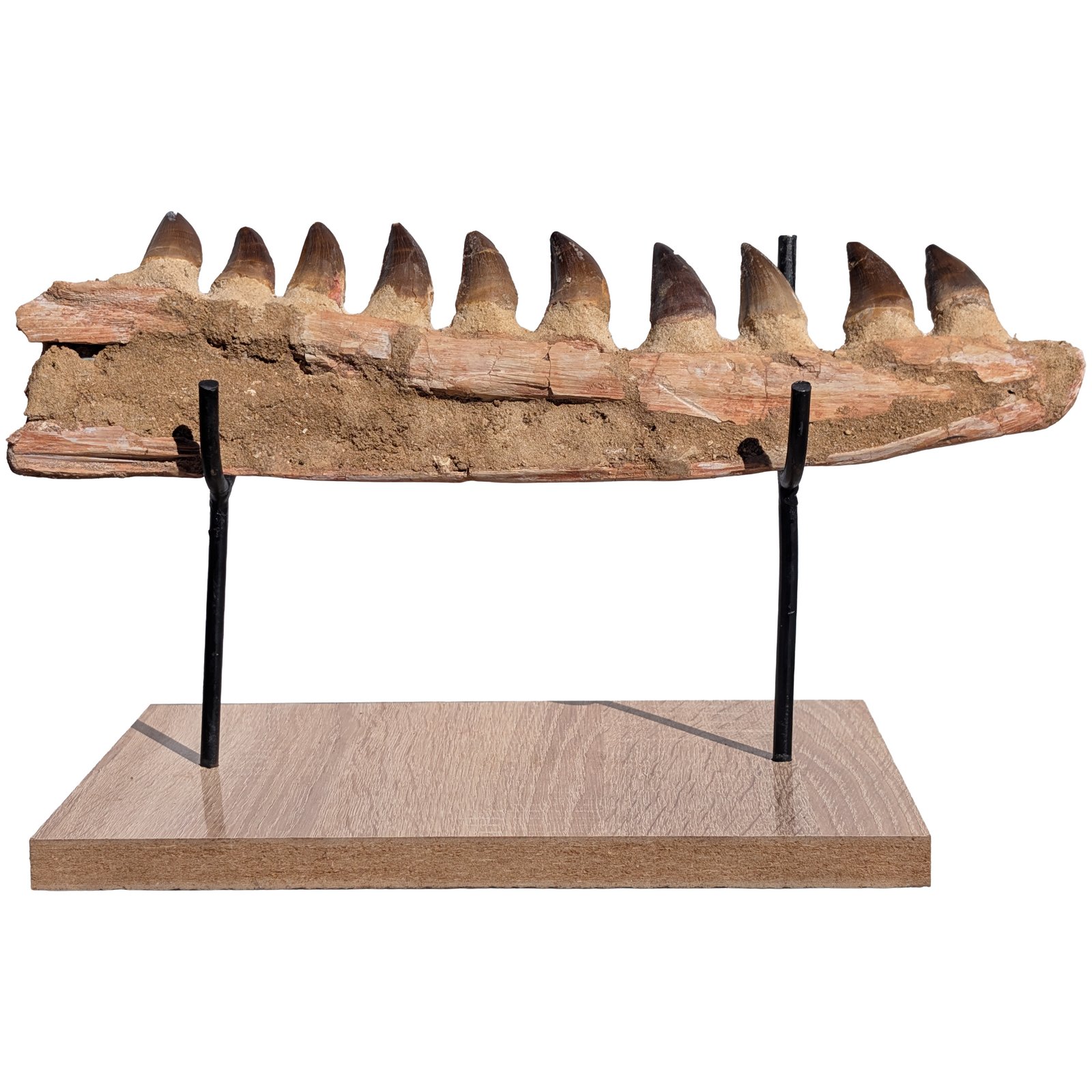
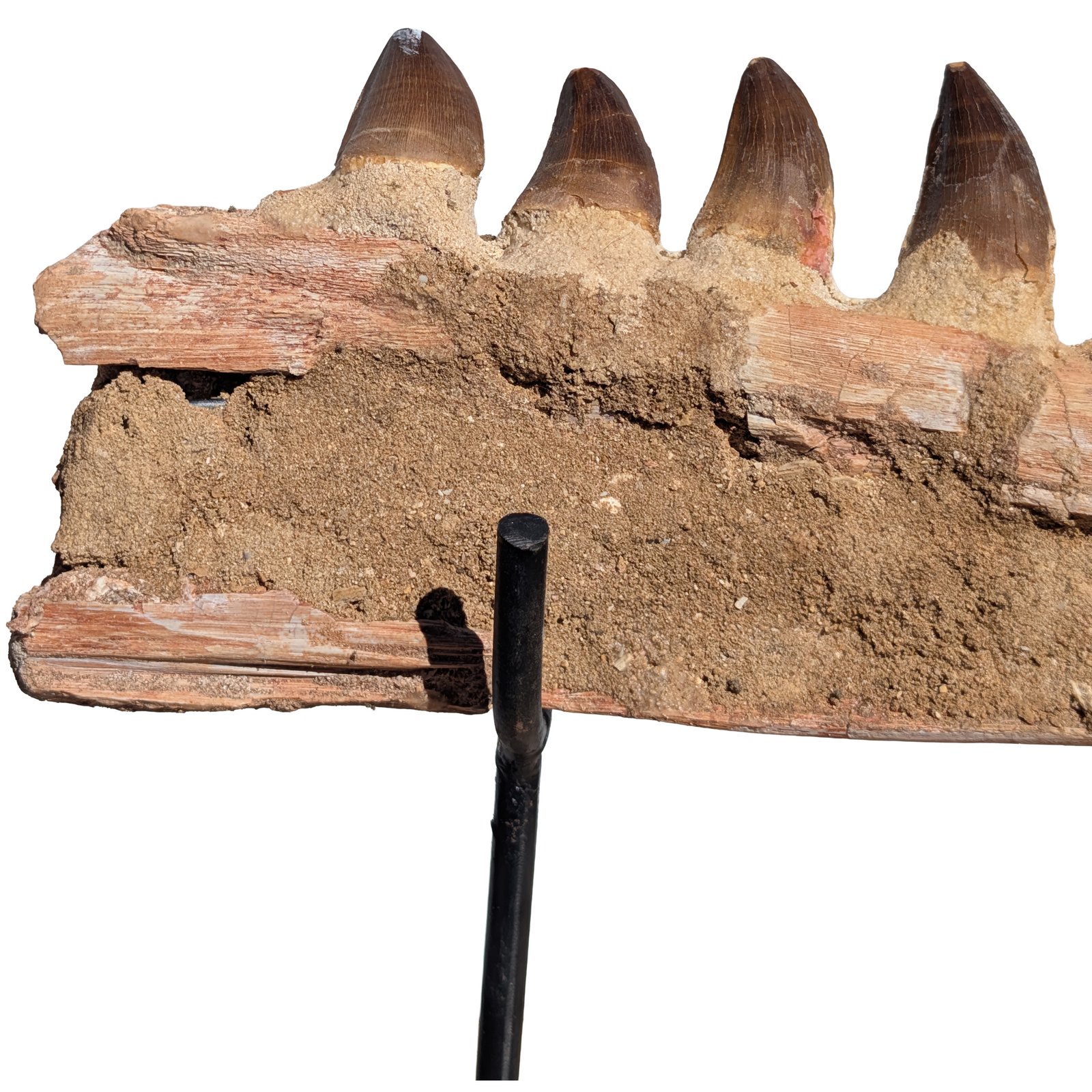
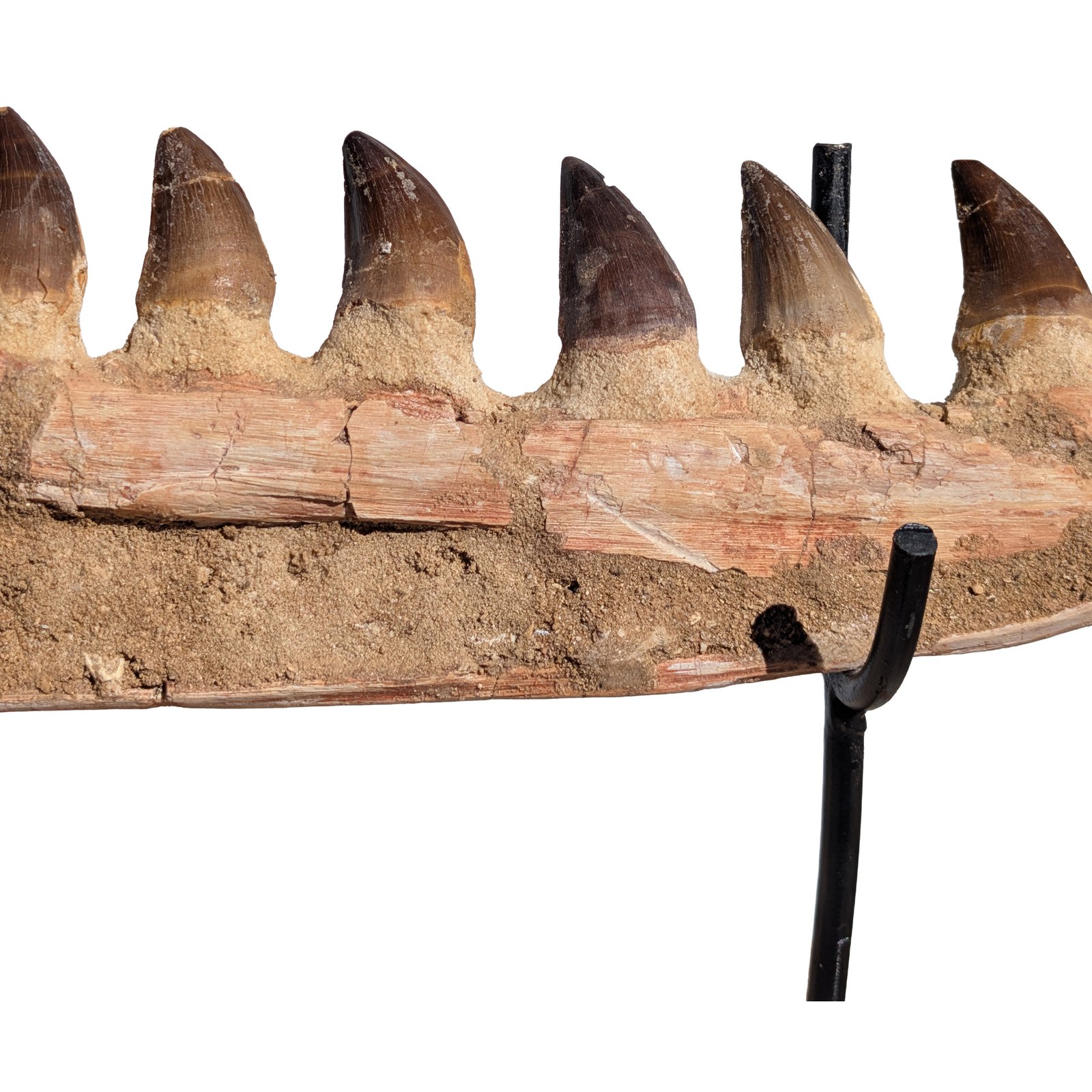
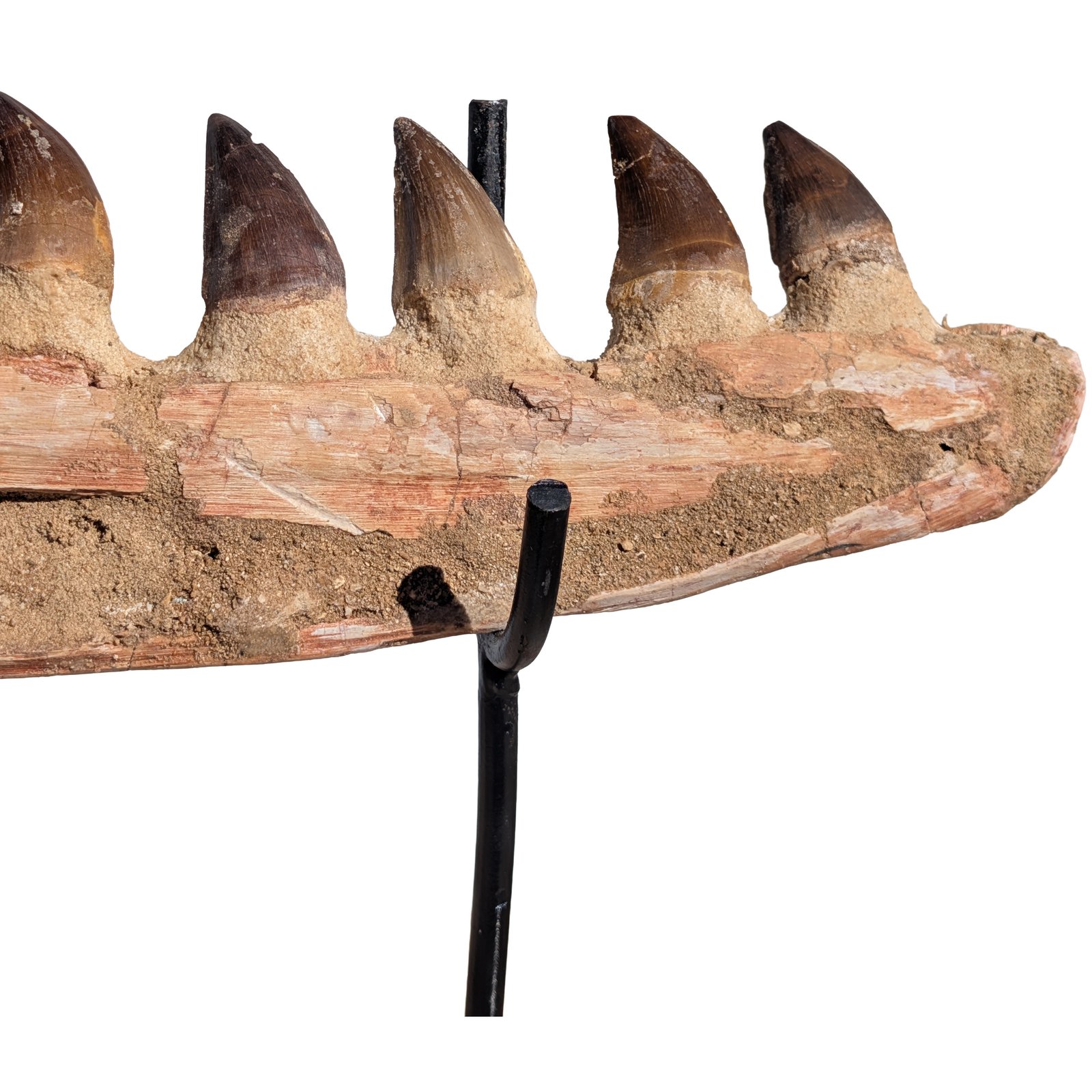
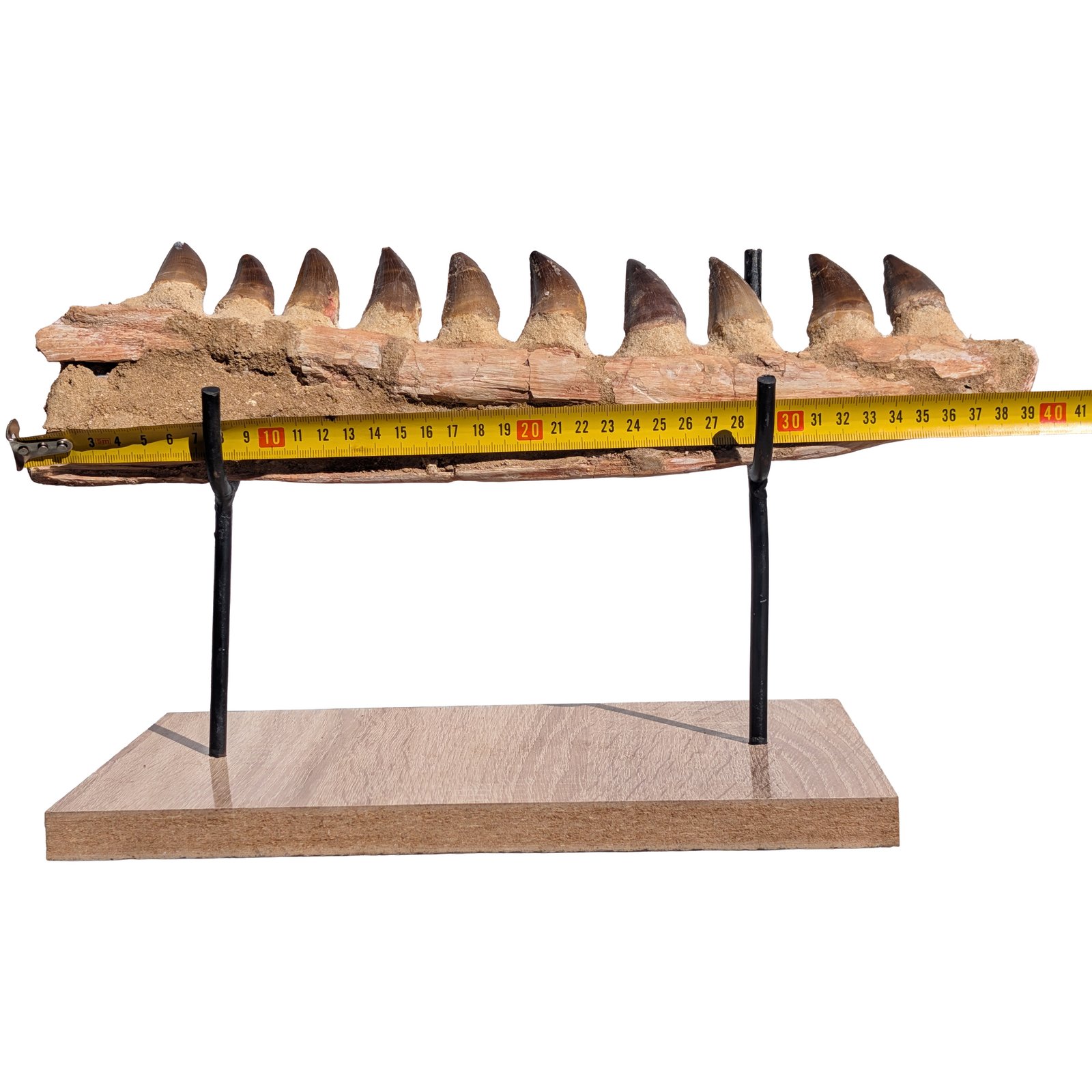
The Mosasaur Exhibit Jaw Display is a genuine Moroccan fossil from the Late Cretaceous, naturally preserved through mineralization over millions of years. This well-preserved specimen displays anatomical features that make it a valuable addition to any collection.
This Moroccan fossil comes from deposits that have produced some of the finest Cretaceous specimens known to science. The natural mineralization over millions of years has preserved the structure remarkably well.
For collectors, this piece offers visible details and natural surface texture developed through fossilization in Moroccan sediments. The natural coloration reflects the specific conditions at the discovery site.
Adding this specimen to your collection provides a tangible link to ancient Cretaceous ecosystems. It makes an excellent display piece whether showcased in a cabinet or used in educational settings.
Preservation Quality
This Mosasaur Exhibit Jaw Display was naturally preserved through mineralization in phosphate-rich sediments that created ideal conditions for fossilization over geological time.
The preservation process allowed the specimen to retain original structural details throughout millions of years of geological transformation.
Natural minerals gradually replaced organic material while preserving microscopic features that provide scientific value and visual interest.
The result is a well-preserved Mosasaur Exhibit Jaw Display showing natural texture and structure from the Cretaceous period. Surface characteristics confirm its origin.
Authenticity
Every Mosasaur Exhibit Jaw Display is guaranteed authentic with natural fossilization patterns confirming its origin from Moroccan deposits.
We maintain provenance records providing documentation of geological origin and estimated age for collection value.
Natural composition and fossilization characteristics verify authenticity as a genuine Cretaceous specimen.
Each specimen has been examined to confirm genuine origin before being offered to collectors worldwide.
Display Value
This Mosasaur Exhibit Jaw Display makes an excellent display piece when placed in a well-lit cabinet with proper positioning for maximum visual impact.
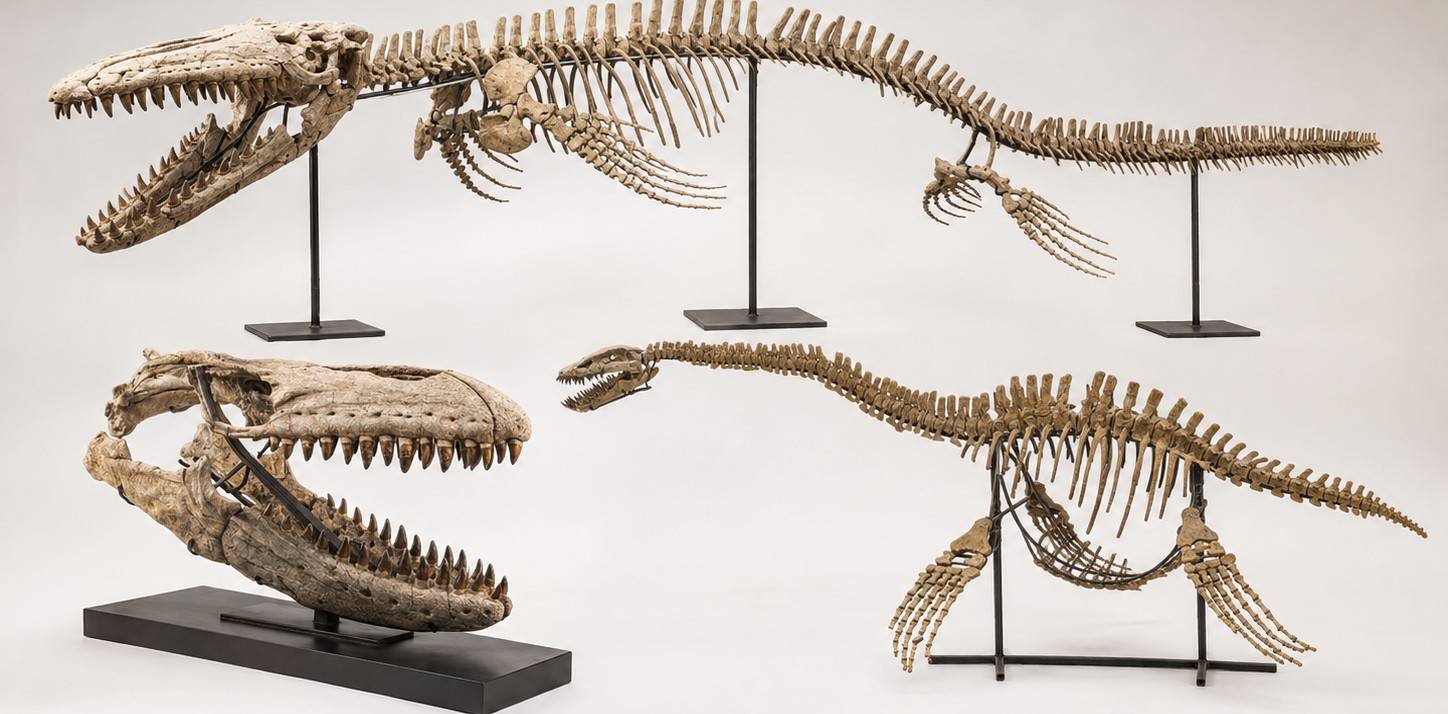
Collectors appreciate this specimen for its visible features that demonstrate the anatomy of this prehistoric creature.
Natural colors and surface textures create an attractive display that draws attention from anyone viewing the collection.
A well-displayed specimen serves as a focal point in any fossil collection and educational setting alike.
Collecting This Specimen
Adding this Mosasaur Exhibit Jaw Display to your collection provides a valuable reference specimen for understanding Cretaceous fossil ecosystems.
Collectors value this piece for its combination of scientific significance and visual appeal suited to all experience levels.
This specimen is suitable for both experienced collectors and newcomers. Each purchase includes documentation of origin.
The Mosasaur Exhibit Jaw Display connects you to the rich paleontological heritage of Morocco and its world-famous fossil deposits.
Scientific Significance
This Mosasaur Exhibit Jaw Display contributes to scientific understanding of Cretaceous ecosystems and the diversity of prehistoric life.
Researchers study specimens like this to learn about anatomy and adaptations of ancient organisms that were part of their ecosystems.
Each specimen provides data about Cretaceous life in North Africa helping paleontologists understand ancient environments.
The Mosasaur Exhibit Jaw Display offers insights into evolution during the Late Cretaceous in the region now known as Morocco.
Technical Specifications
| Genus | Mosasaur |
|---|---|
| Taxon | Mosasauridae (family-level identification) |
| Family | Mosasauridae |
| Animal Group | Mosasaur (extinct marine reptile) |
| Fossil Type | Jaw |
| Geological Era | Late Cretaceous (66-70 million years) |
| Origin | Morocco |
| Condition | Authentic |
Additional Information
Length: 39 cm
Shipping and Care
Your Mosasaur Exhibit Jaw Display is carefully packaged in secure materials with protective padding to ensure safe delivery with tracking included.
International shipping includes tracking and insurance with inspection before shipping to ensure perfect condition on arrival.
Display your specimen away from direct sunlight in a stable environment and dust gently with a soft brush when needed.
We use packaging methods developed over years of shipping fossils to ensure every specimen reaches its destination safely.
Fossil Preparation
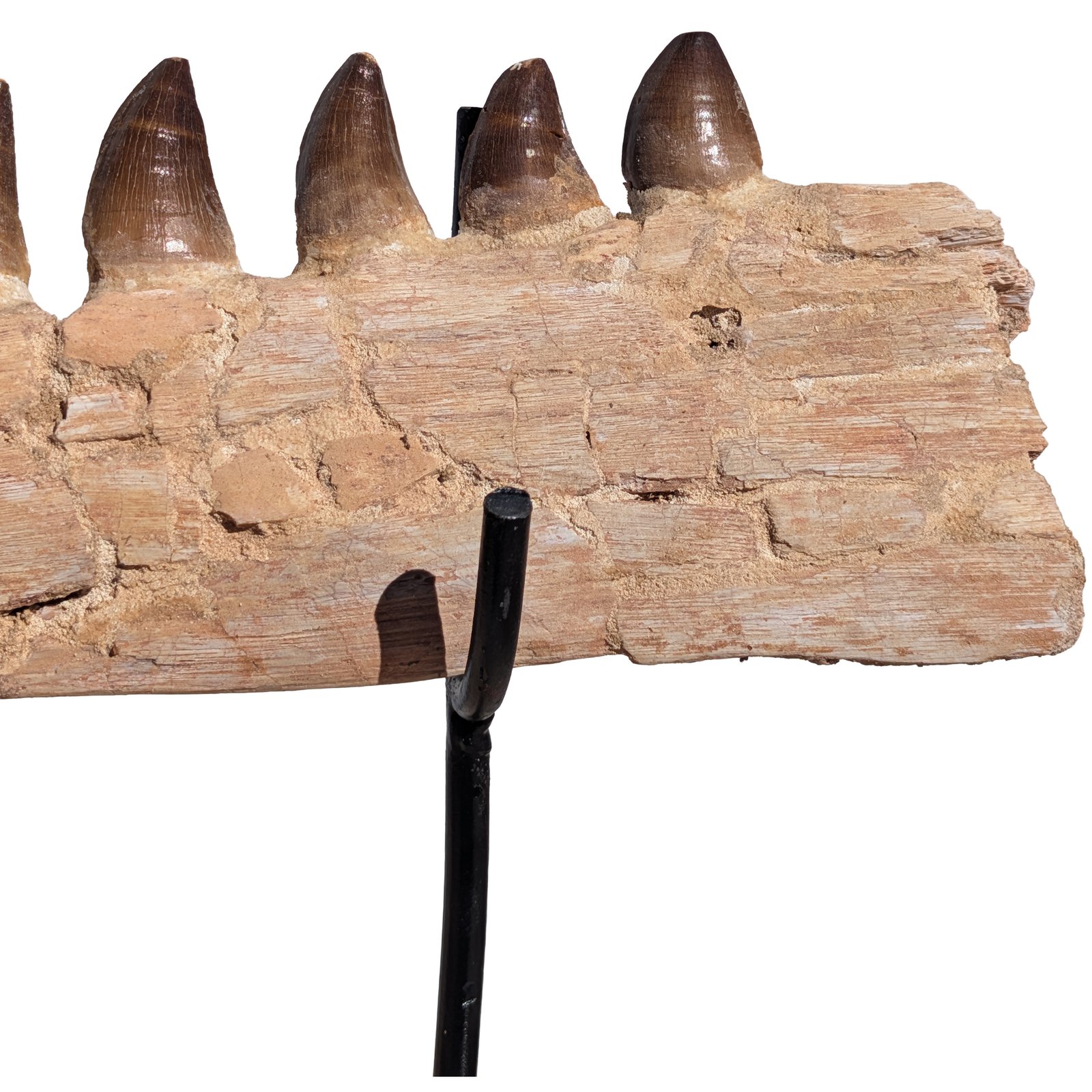
This Mosasaur Exhibit Jaw Display has been professionally prepared by removing surrounding matrix to reveal the natural bone surface and anatomical details.
Preparation involves careful manual work using fine tools to expose features without damaging the underlying fossil material.
The natural mineral coloration visible on this specimen is the result of millions of years of geological processes.
No artificial coloring or restoration has been applied — the surface you see is the natural fossilized material.
Frequently Asked Questions
What is a Mosasaur Exhibit Jaw Display?
A fossil specimen from Mosasauridae (family-level identification) — a mosasaur (extinct marine reptile) — found in Cretaceous Moroccan phosphate deposits.
How large was the original creature?
Mosasaurs were large marine reptiles of the Late Cretaceous; this specimen belongs to the genus Mosasaur.
Is a Mosasaur a dinosaur?
No, Mosasaurs were marine reptiles, not dinosaurs.
How should I display this specimen?
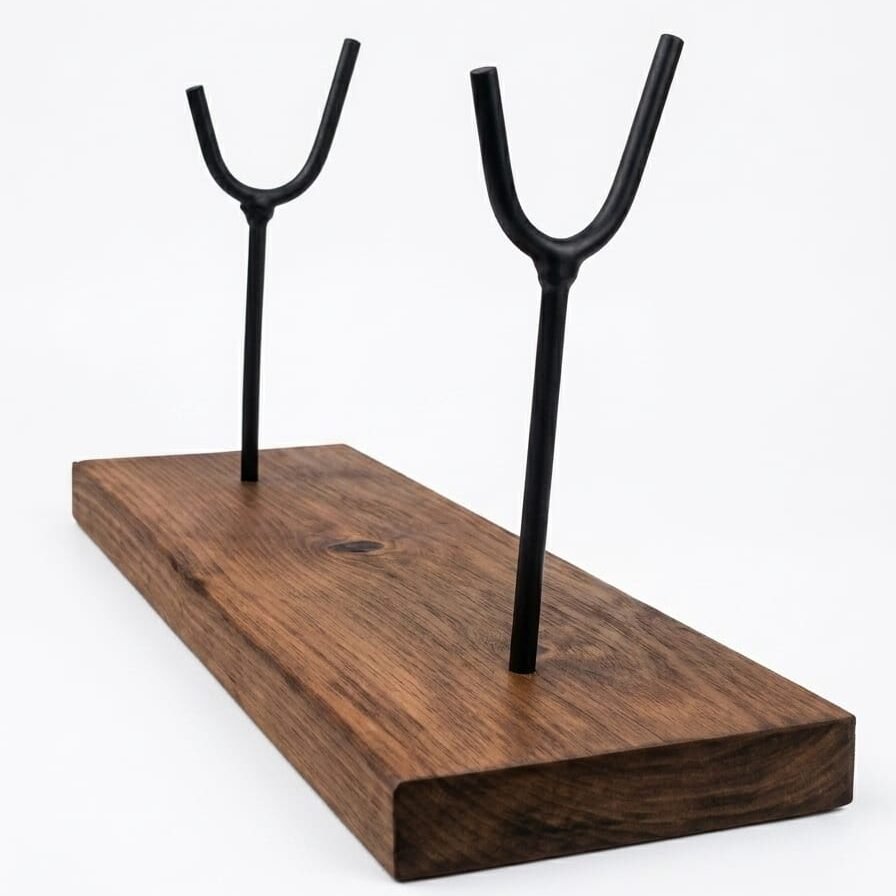
Place it on a sturdy stand away from direct sunlight and high humidity.
Can I touch the fossil surface?
Yes, the mineralized surface is stable, but handle with clean hands to avoid transferring oils.
Explore More Fossils
Browse our Mosasaurs Fossil Collection for more authentic specimens. For scientific information, visit the Mosasaurus reference page.
Top picks: Mosasaur Fossil Jaw Morocco – 1 Authentic Specimen
Also see: Rare Mosasaur Jaw Authentic Display for Collectors