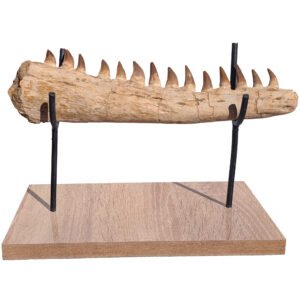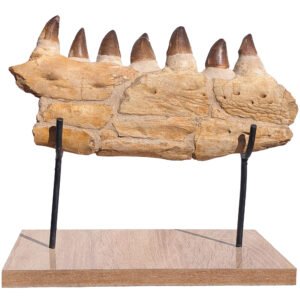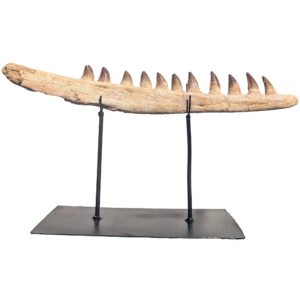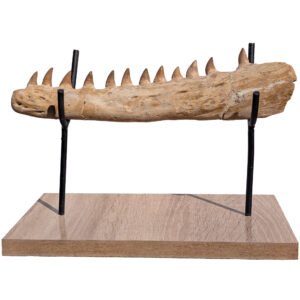
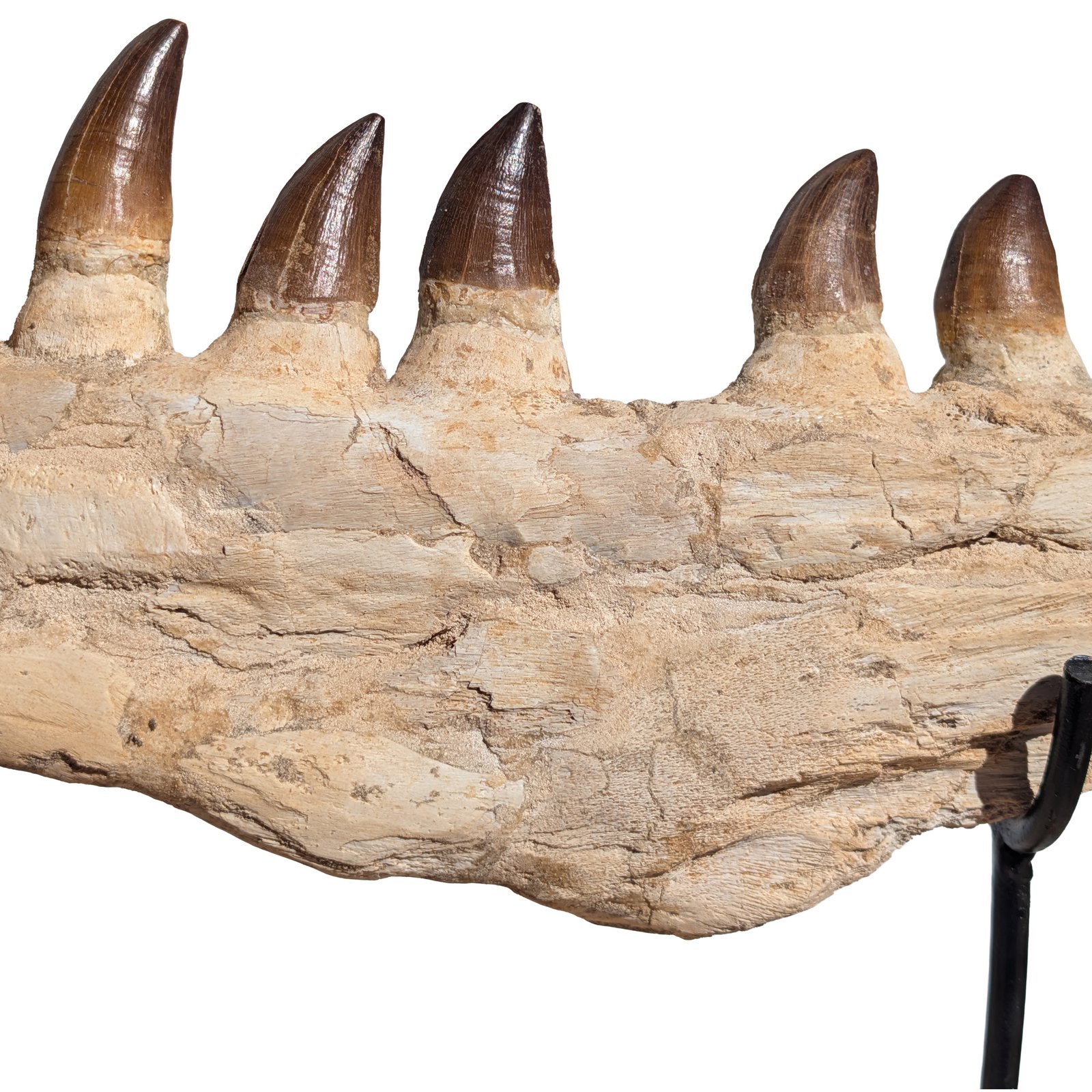
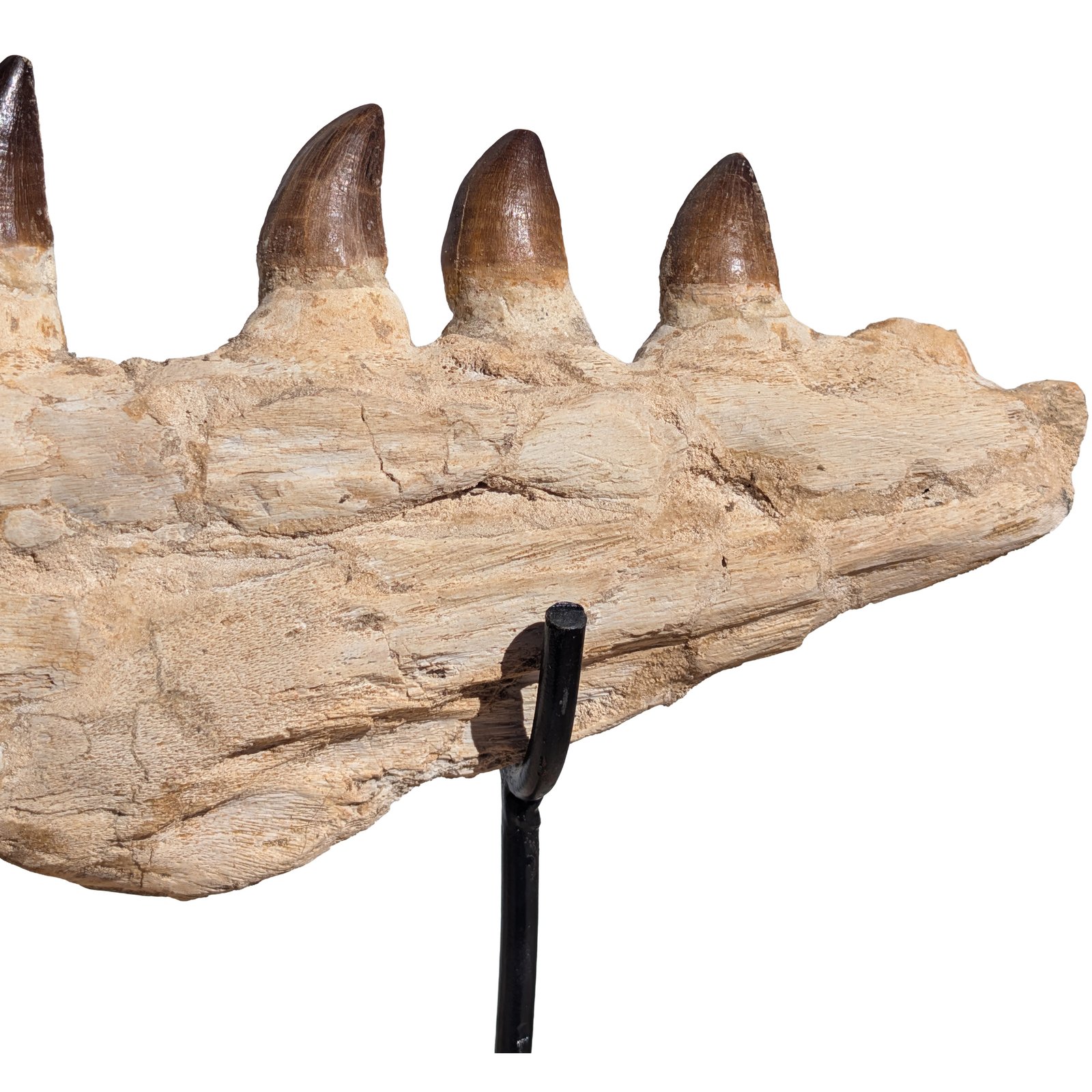
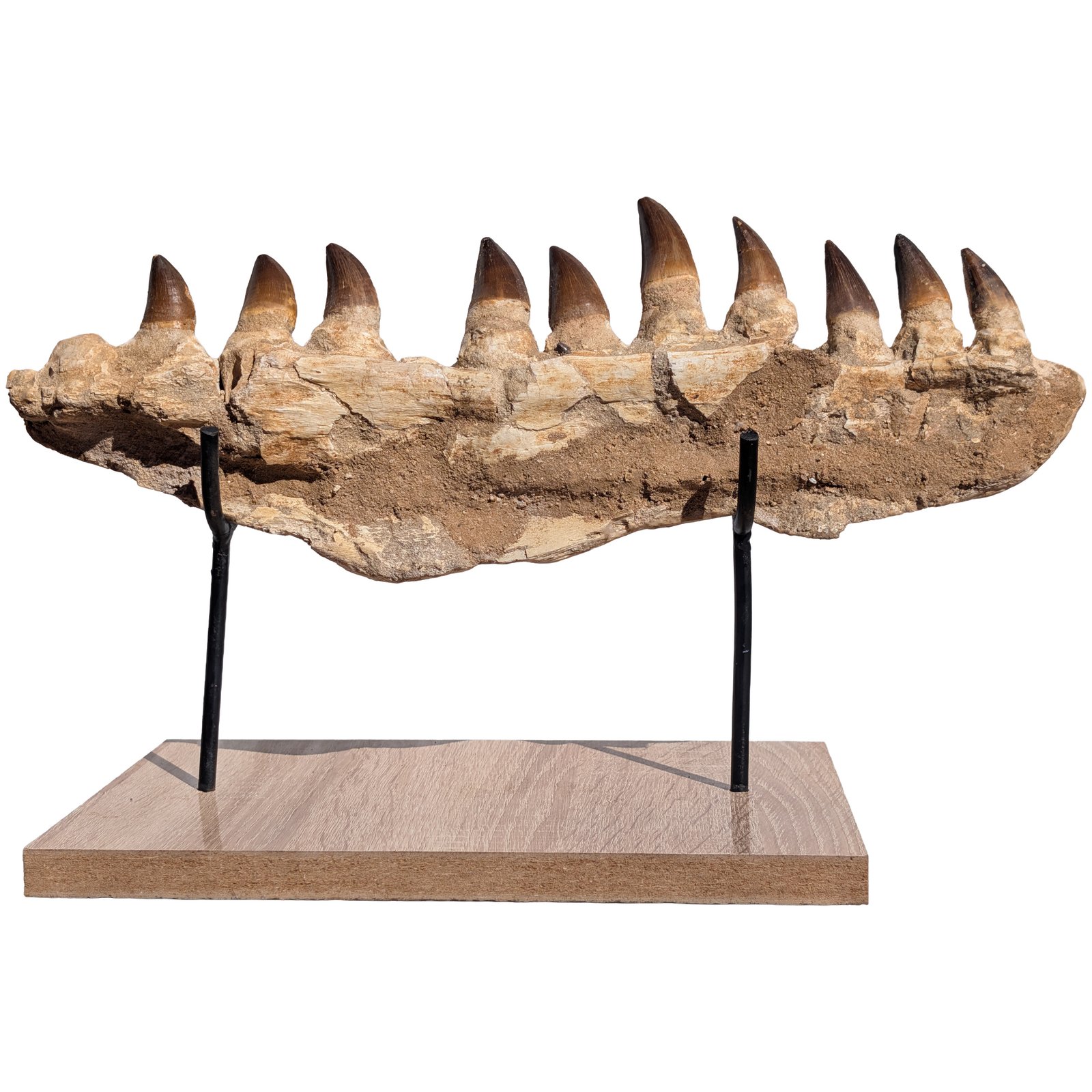
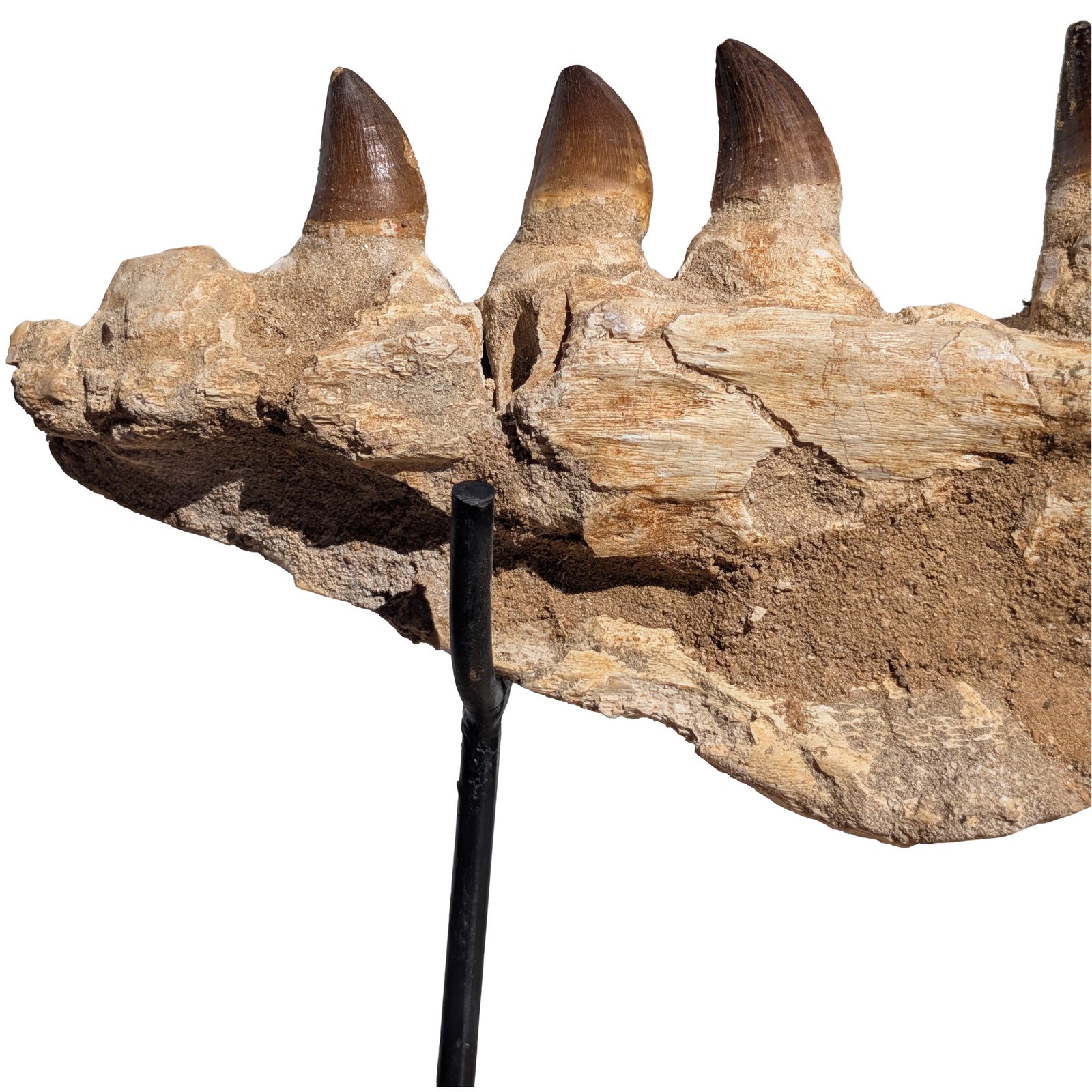
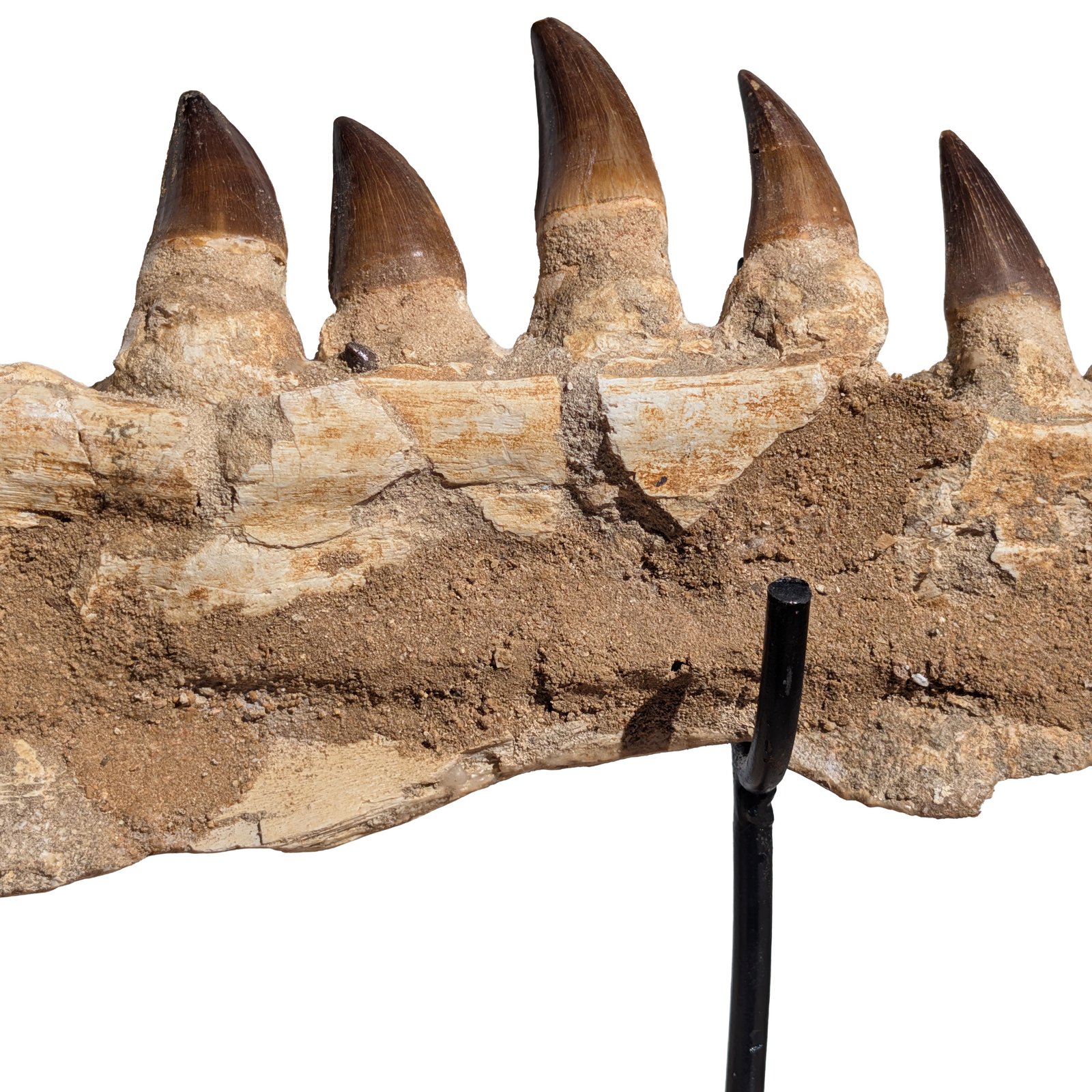
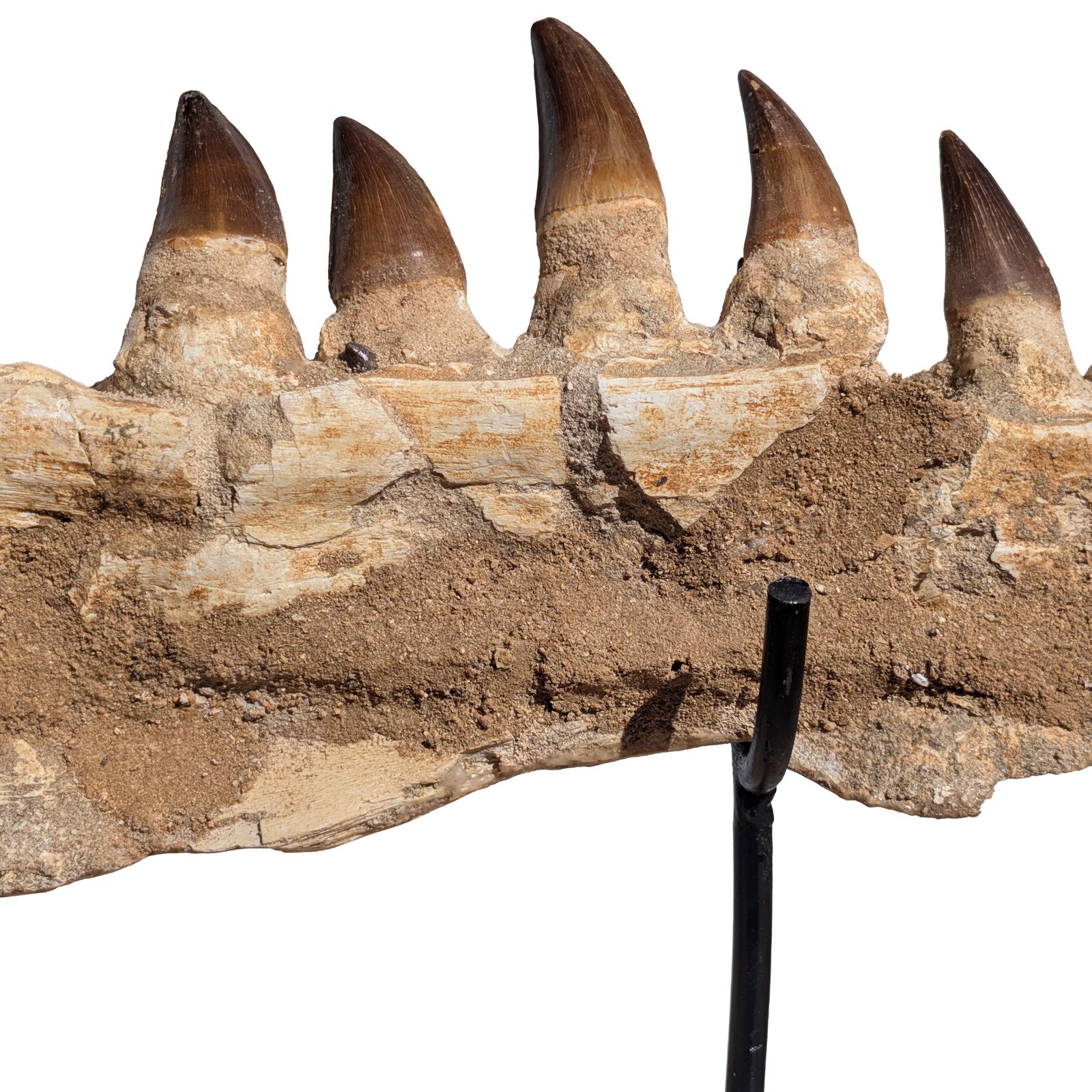
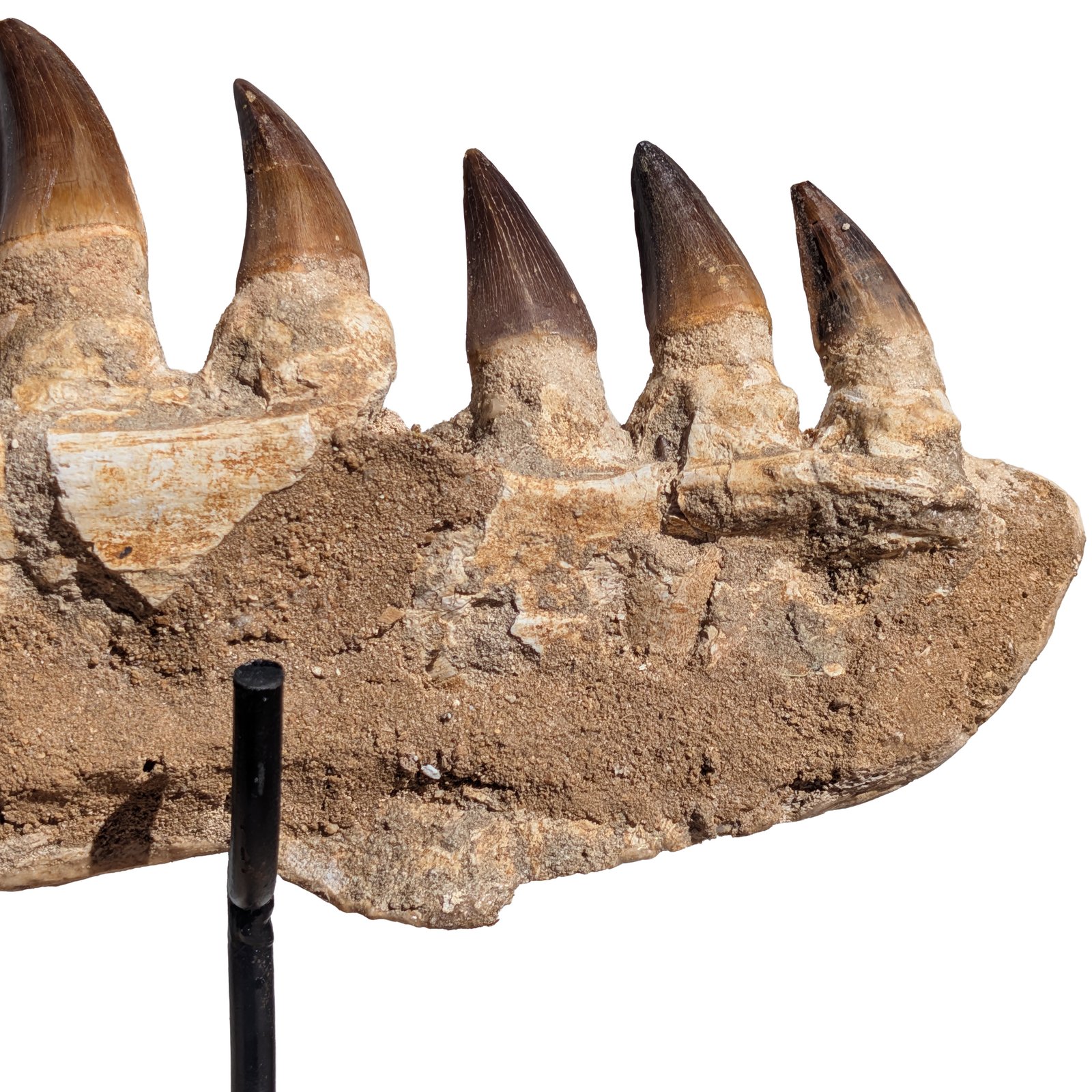
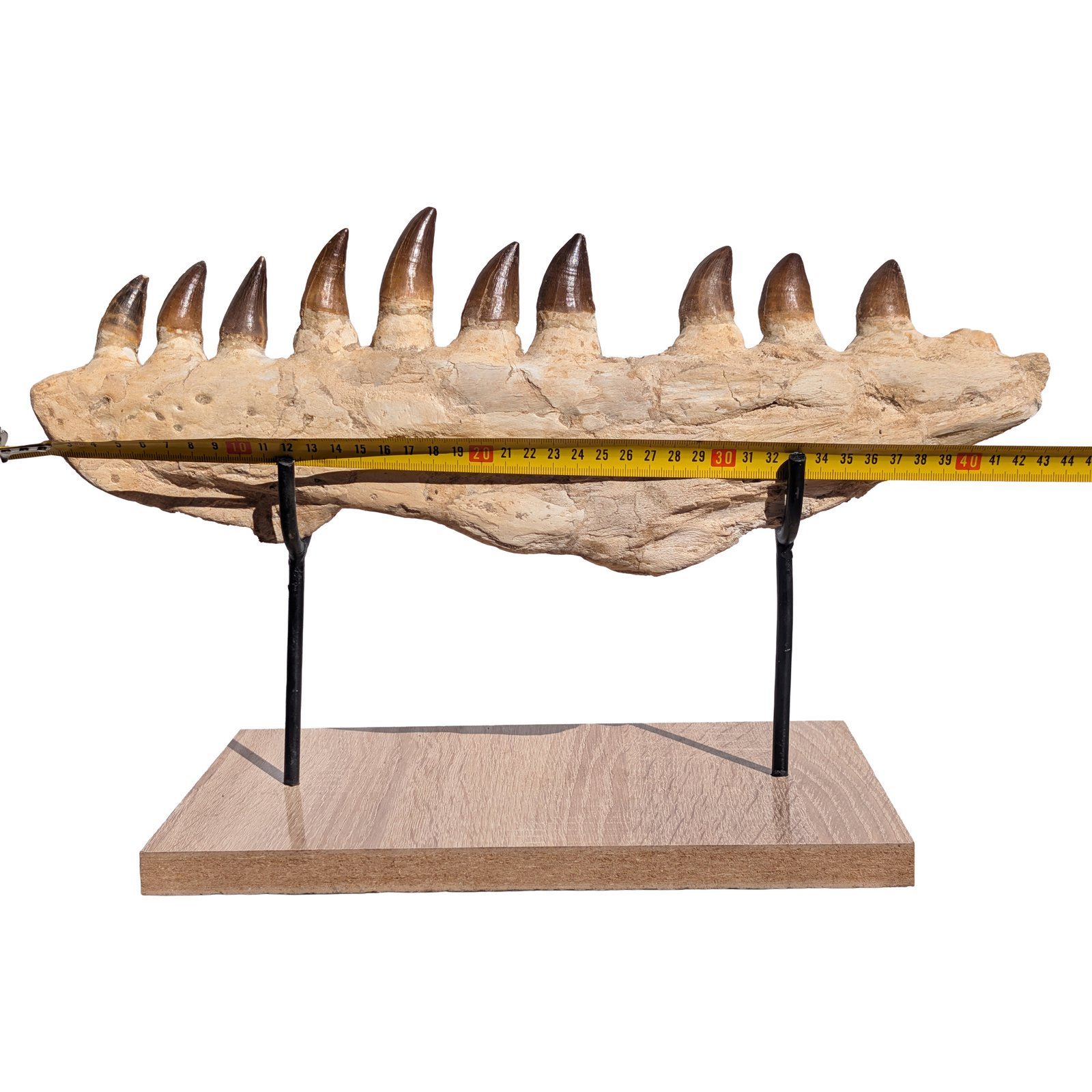

Introduction to Mosasaur Jaw Find Display
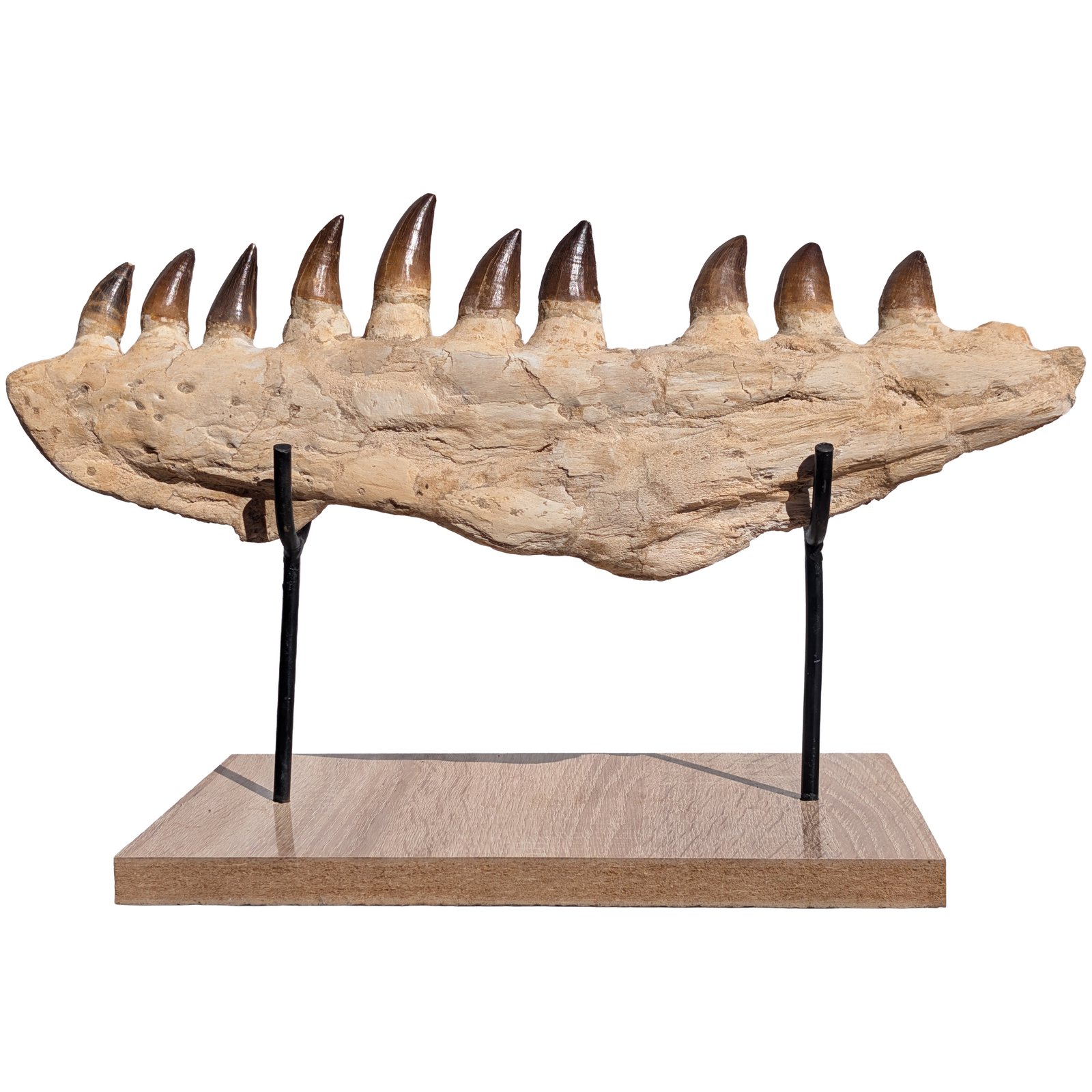
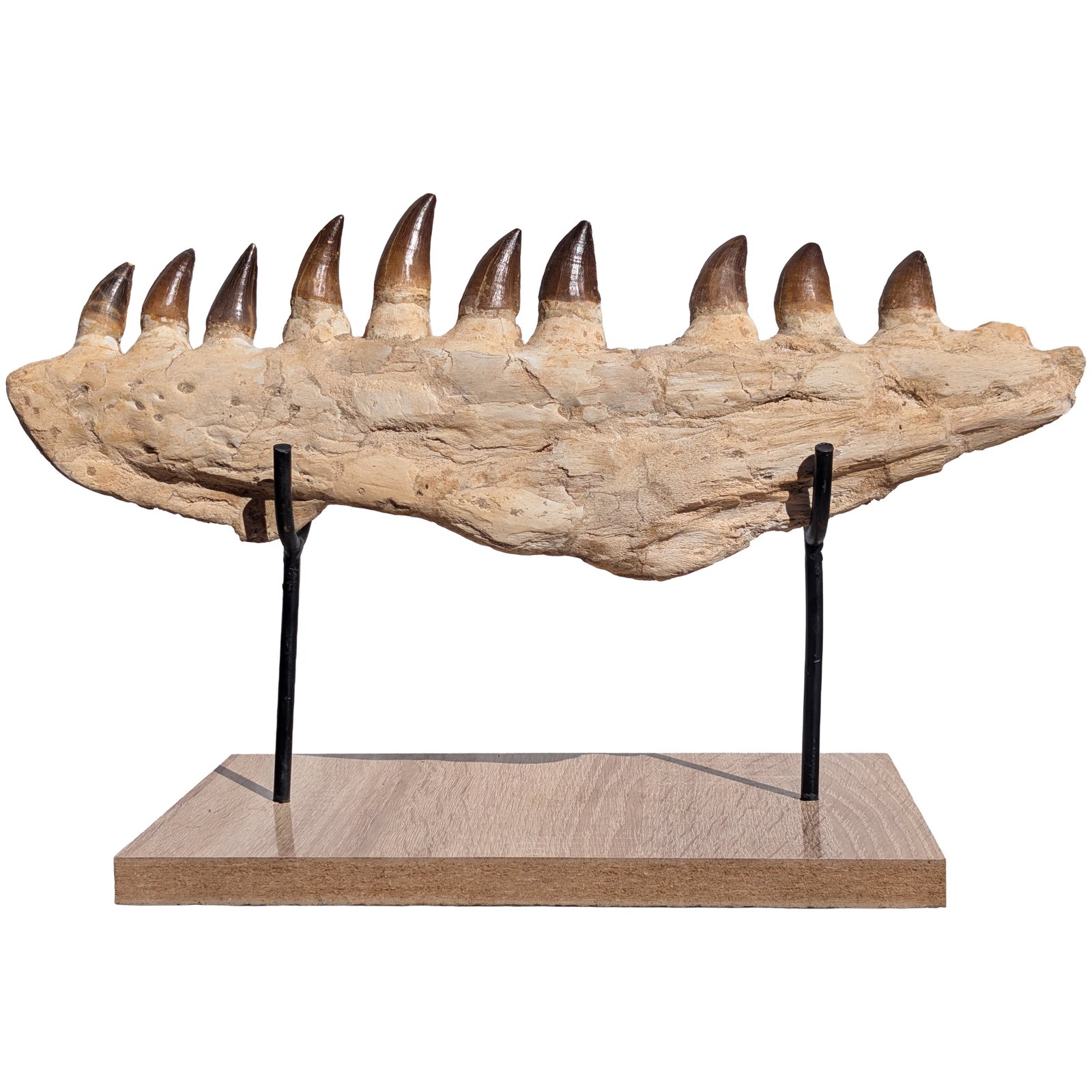
The Mosasaur Jaw Find Display is a genuine Moroccan fossil from the Late Cretaceous, naturally preserved through mineralization over millions of years. This well-preserved specimen displays anatomical features that make it a valuable addition to any collection.
This Moroccan fossil comes from deposits that have produced some of the finest Cretaceous specimens known to science. The natural mineralization over millions of years has preserved the structure remarkably well.
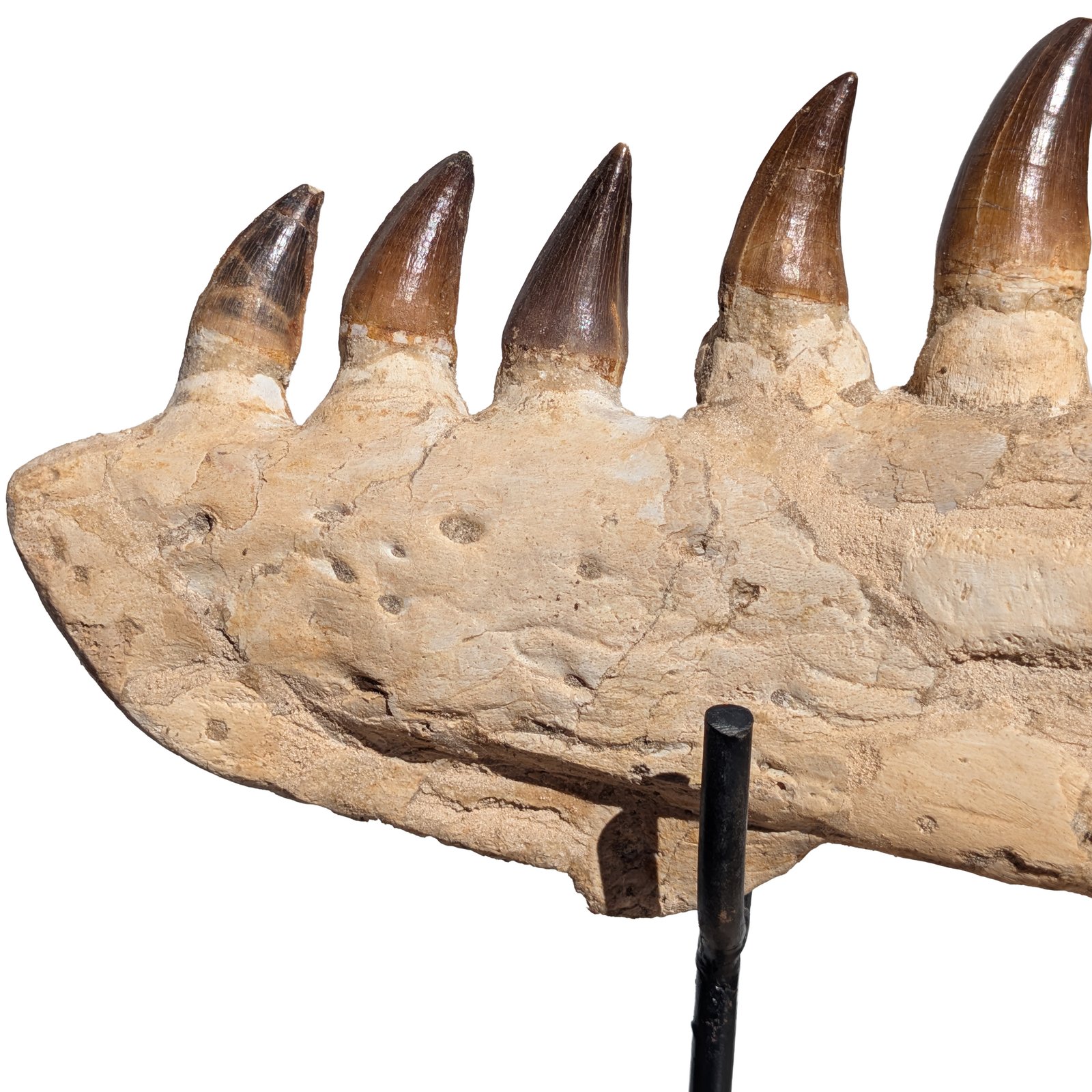
For collectors, this piece offers visible details and natural surface texture developed through fossilization in Moroccan sediments. The natural coloration reflects the specific conditions at the discovery site.
Adding this specimen to your collection provides a tangible link to ancient Cretaceous ecosystems. It makes an excellent display piece whether showcased in a cabinet or used in educational settings.
Preservation Quality
This Mosasaur Jaw Find Display was naturally preserved through mineralization in phosphate-rich sediments that created ideal conditions for fossilization over geological time.
The preservation process allowed the specimen to retain original structural details throughout millions of years of geological transformation.
Natural minerals gradually replaced organic material while preserving microscopic features that provide scientific value and visual interest.
The result is a well-preserved Mosasaur Jaw Find Display showing natural texture and structure from the Cretaceous period. Surface characteristics confirm its origin.
Authenticity
Every Mosasaur Jaw Find Display is guaranteed authentic with natural fossilization patterns confirming its origin from Moroccan deposits.
We maintain provenance records providing documentation of geological origin and estimated age for collection value.
Natural composition and fossilization characteristics verify authenticity as a genuine Cretaceous specimen.
Each specimen has been examined to confirm genuine origin before being offered to collectors worldwide.
Fossil Preparation
This Mosasaur Jaw Find Display has been professionally prepared by removing surrounding matrix to reveal the natural bone surface and anatomical details.
Preparation involves careful manual work using fine tools to expose features without damaging the underlying fossil material.
The natural mineral coloration visible on this specimen is the result of millions of years of geological processes.
No artificial coloring or restoration has been applied — the surface you see is the natural fossilized material.
Educational Value
The Mosasaur Jaw Find Display serves as an excellent educational tool for teaching about Cretaceous ecosystems and fossilization processes.
Schools and museums value real fossil specimens for creating memorable learning experiences that textbooks cannot provide.
This specimen can be used to demonstrate concepts of deep time, evolution, and the history of life on Earth.
Fossil education helps students understand extinction events and the importance of preserving natural heritage.
Historical Discovery
Cretaceous fossils from Morocco have been studied by paleontologists since the early 20th century, revealing ancient ecosystems.
The phosphate deposits were first exploited for fertilizer, but workers soon discovered the rich fossil beds beneath.
Today Moroccan fossils are recognized worldwide for their exceptional preservation and scientific importance.
Each specimen from this region contributes to our understanding of Cretaceous marine and terrestrial life.
Technical Specifications
| Genus | Mosasaur |
|---|---|
| Taxon | Mosasauridae (family-level identification) |
| Family | Mosasauridae |
| Animal Group | Mosasaur (extinct marine reptile) |
| Fossil Type | Jaw |
| Geological Era | Late Cretaceous (66-70 million years) |
| Origin | Morocco |
| Condition | Authentic |
Additional Information
Length: 42 cm
Choosing This Piece
When selecting a Mosasaur Jaw Find Display consider the preservation quality and visibility of features that make each specimen unique.
This specimen has been carefully selected for quality and represents excellent value for any fossil collection.
The combination of size, preservation, and display value makes this an excellent choice for any collection.
We evaluate every specimen before offering it to ensure our quality standards are met for preservation and features.
Provenance and Documentation
Every Mosasaur Jaw Find Display includes documentation of its geological origin, estimated age, and discovery location in Morocco.
Provenance records provide confidence in the authenticity and legal status of each specimen offered.
Well-documented specimens maintain their value over time and can be integrated into serious scientific collections.
We maintain detailed records for each specimen to ensure traceability from discovery to delivery.
Frequently Asked Questions
What is a Mosasaur Jaw Find Display?
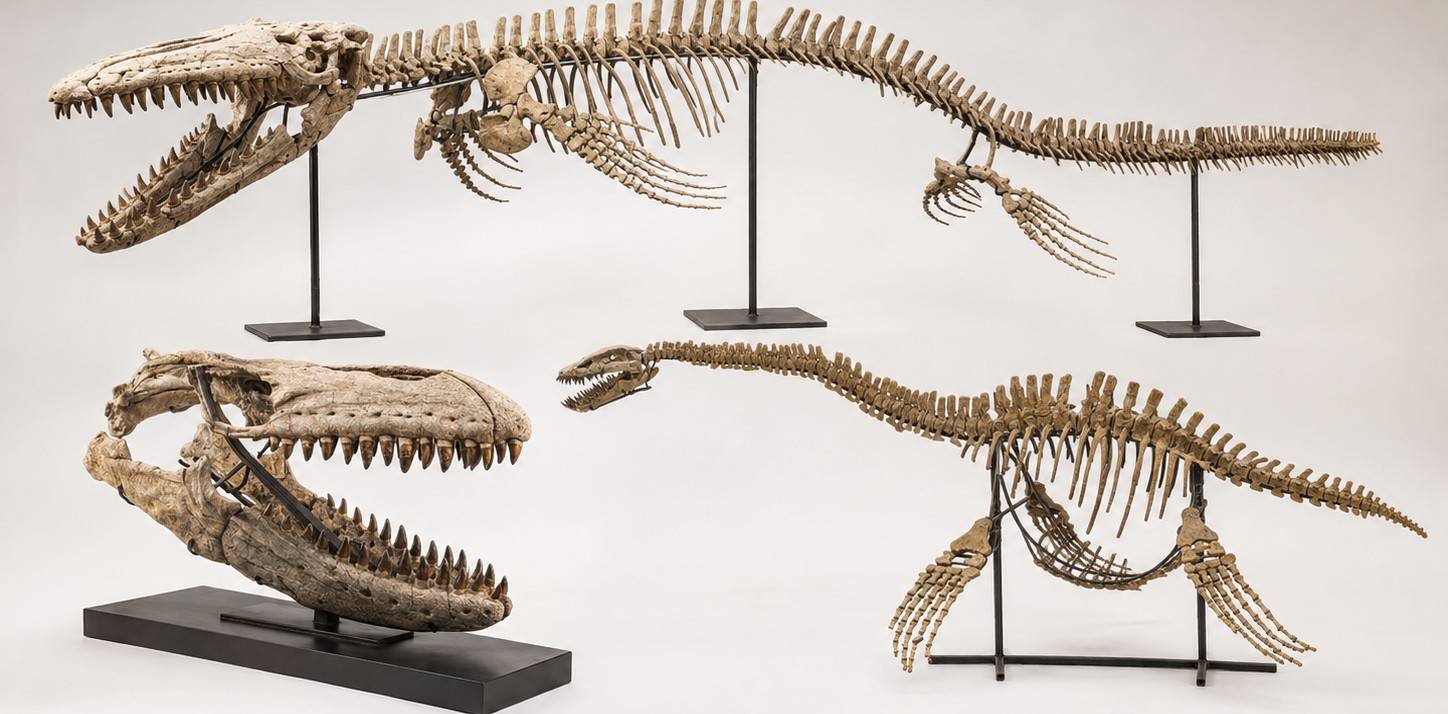
A fossil specimen from Mosasauridae (family-level identification) — a mosasaur (extinct marine reptile) — found in Cretaceous Moroccan phosphate deposits.
How large was the original creature?
Mosasaurs were large marine reptiles of the Late Cretaceous; this specimen belongs to the genus Mosasaur.
Is a Mosasaur a dinosaur?
No, Mosasaurs were marine reptiles, not dinosaurs.
How should I display this specimen?
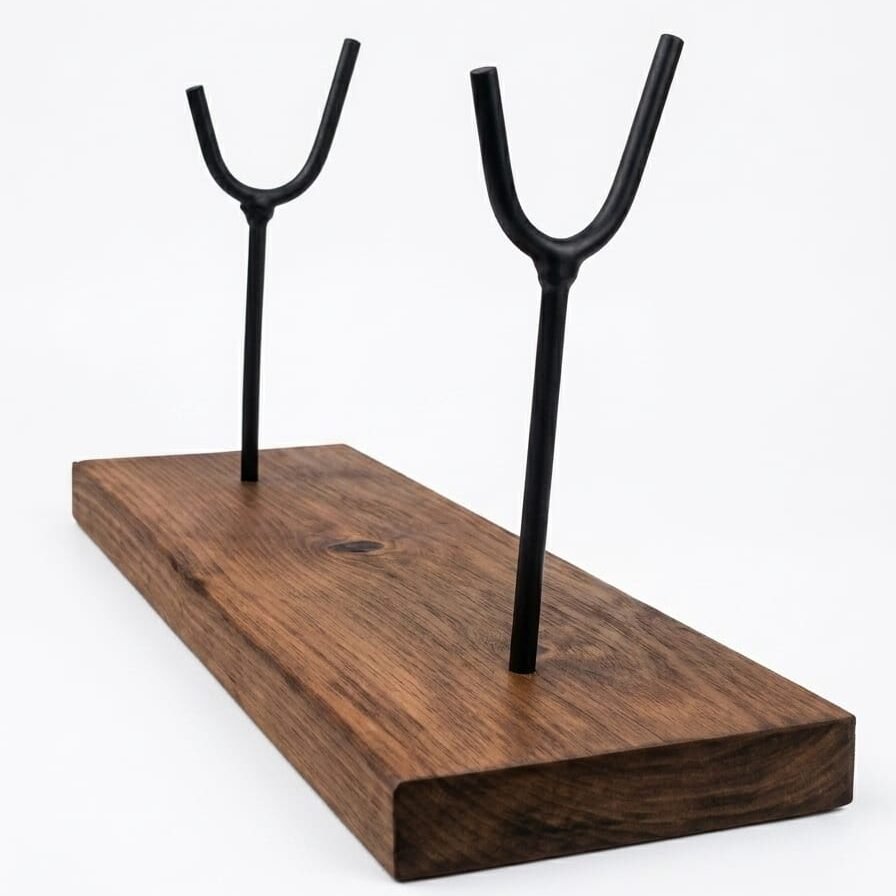
Place it on a sturdy stand away from direct sunlight and high humidity.
Can I touch the fossil surface?
Yes, the mineralized surface is stable, but handle with clean hands to avoid transferring oils.
Explore More Fossils
Browse our Mosasaurs Fossil Collection for more authentic specimens. For scientific information, visit the Mosasaurus reference page.
Top picks: Mosasaur Fossil Jaw Morocco – 1 Authentic Specimen
Also see: Rare Mosasaur Jaw Authentic Display for Collectors