
Fossil Guide: How to Identify, Collect, and Care for Authentic Fossils
So you’re getting into fossil collecting. Maybe you picked up a cool trilobite at a gem show, or you’ve been browsing r/fossils and r/fossilid and realized there’s a lot more to this hobby than just picking rocks off the ground. This guide covers what I wish someone had told me when I started — how to spot fakes, what to look for when buying, how to clean your finds without wrecking them, and how to show them off properly.
How to Identify Authentic Fossils
This is the number one question on r/fossilid — “Is this real?” And honestly, it’s smart to ask. The fossil market, especially for Moroccan material, is full of composites, restored pieces, and flat-out fakes. Here’s what to look for.
The Big One: Moroccan Trilobite Fakes
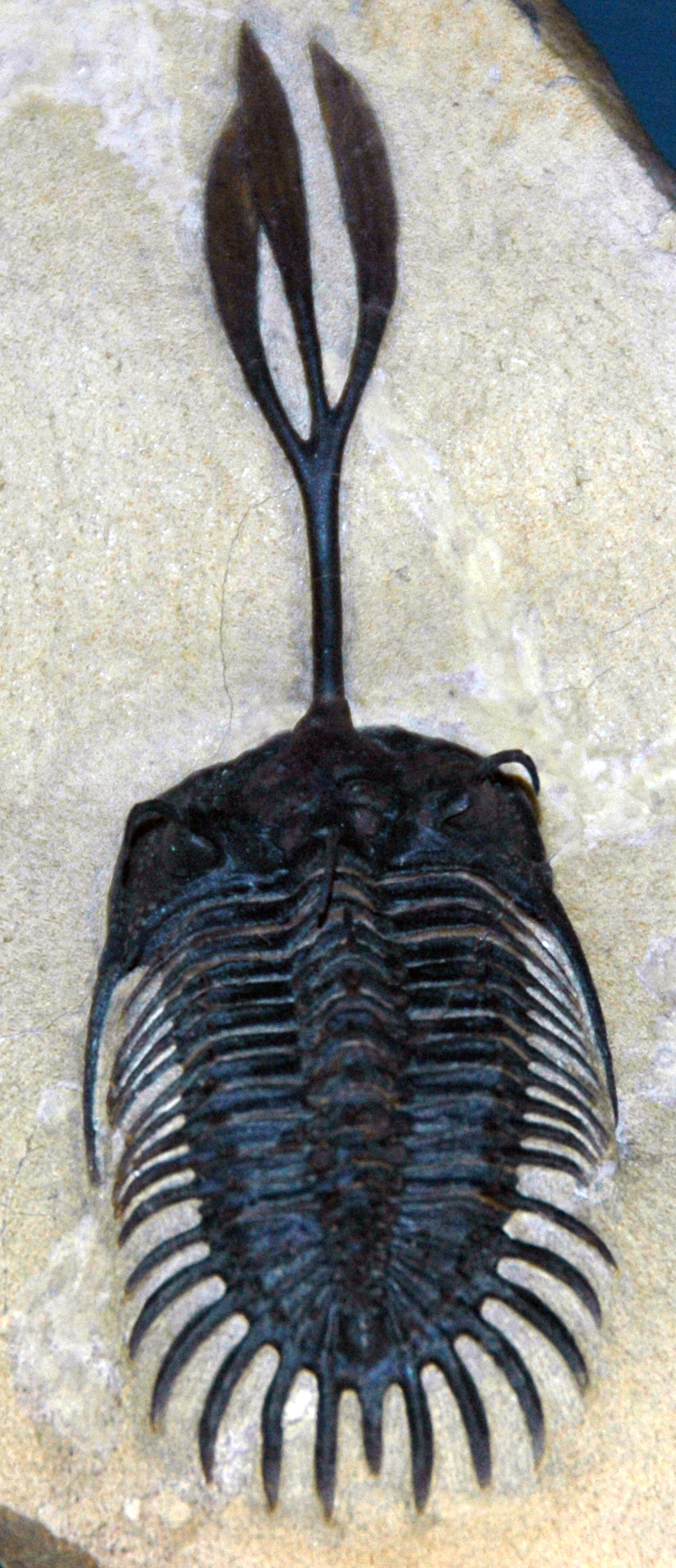
If you spend any time on Reddit’s fossil communities, you’ll see the same advice over and over: Moroccan trilobites are the most commonly faked fossils on the market. The real ones are stunning — genuine Devonian specimens from the Atlas Mountains with incredible detail. But there are a LOT of composites out there where the body is real but the “spines” are carved from the surrounding rock and glued on. Some are completely carved from limestone with no real fossil at all.
Here’s what the regulars on r/fossilid tell people to check:
- Check the matrix. Real trilobites from Morocco sit in a specific yellowish-brown limestone. If the rock looks “off” or the fossil seems raised above the surface in a way that doesn’t match natural erosion, be suspicious.
- Look at the eyes. Genuine trilobite eyes have tiny individual lenses (schizochroal eyes). If the “eyes” are just two smooth bumps, it’s almost certainly carved. This is the #1 tell that gets pointed out on Reddit threads.
- Spines should match. On real specimens like Walliserops or Ceratarges, the spines flow naturally from the body. If they look like they were added separately — different color, different texture, or the attachment point looks like a glue seam — walk away.
- Price too good to be true? A large, perfect Walliserops trifurcatus with all spines intact and pristine eyes? If it’s under $200, it’s probably a fake. One guy on r/fossils posted a “bargain” trilobite he got for $50 — the comments tore it apart as a total composite. Real ones go for real money.
Ammonites and Other Common Fakes
Ammonites are generally safer than trilobites because they’re harder to fake convincingly. But there are still things to watch for. Check that the suture lines (the wavy lines where internal chambers meet) are natural and follow the shell’s curve. On composites, they often look “off” or stop abruptly at a seam. Also, polished ammonites from Madagascar are almost always real — they’re so abundant it’s not worth faking them.
Fossil teeth (especially Megalodon) are another category where fakes are common. Real Meg teeth have a distinct bourlette (the dark band between root and blade) and the serrations should be sharp and evenly spaced. A lot of the “meg teeth” sold at tourist shops are actually replica casts — there’s a whole thread on r/fossilid about how to spot the mold lines.
The Ultraviolet Test
One trick that gets mentioned on Reddit regularly: hit questionable fossils with a UV light. Many repair glues and resins fluoresce bright white or yellow under UV, while real fossil bone and shell typically doesn’t. It’s not foolproof, but it’s a quick check that has saved a lot of people from buying composites.
Fossil Collecting Tips for Beginners
Over on r/fossils, beginners ask the same questions every week: “Where do I start?” “What should I buy first?” “How do I know I’m not getting ripped off?” Here’s the consensus from collectors who’ve been doing this for years.
Start with Common, Affordable Material
The Reddit regulars are unanimous on this one — don’t blow your budget on a “rare” specimen as your first fossil. Start with common stuff. Moroccan ammonites are cheap and abundant. A nice polished Cleoniceras from Madagascar runs ten bucks and teaches you a lot about preservation. Dinosaur bone sections are also relatively affordable and easy to authenticate. Build your eye before you build your collection.
One collector on r/fossils put it well: “My first fossil was a $5 ammonite from a rock shop. I still have it. My $300 ‘rare trilobite’? Turned out to be a composite and I returned it. Learn on the cheap stuff.”
Buy from Reputable Dealers
This comes up constantly. Avoid the souvenir shops near tourist attractions — the fossils there are almost always overpriced and often fake. Look for dealers who specialize in fossils, who post clear photos from multiple angles, and who are transparent about restoration. A reputable dealer will tell you if a fossil has been repaired or composited. If a seller doesn’t mention restoration at all on a piece that clearly should have some (like a large trilobite), that’s a red flag.
On Reddit, the trusted sources that get recommended over and over are direct Moroccan dealers with good reputations, museum-quality UK dealers, and specialized online shops. The key is finding someone who’s been in the business long enough to have a track record.
Know What You’re Buying
Learn the basics of geological eras and formations. Knowing the difference between a Devonian trilobite and an Ordovician one won’t just make you sound smart on Reddit — it’ll help you spot when a seller is talking nonsense. If someone is selling a “Cambrian dinosaur bone,” run the other way. There’s a pinned post on r/fossils that breaks down the major fossil-producing formations and what to expect from each.
Join the Community
The best advice I can give you? Get active on r/fossilid and r/fossils. Post your finds before you buy them. The people there are incredibly knowledgeable and will tell you straight up if something looks wrong. One guy on r/fossilid posted a “mosasaur jaw” he was about to buy — turns out it was a cleverly sculpted replica, and the ID thread saved him $400. The community genuinely wants to help new collectors avoid getting burned.
Cleaning and Caring for Your Fossils
OK so you’ve got your first fossils. Now what? Cleaning and preservation is another huge topic on Reddit. The short version: less is more, and water is not your friend.
When NOT to Clean
This is the most important rule and it gets said on every cleaning thread on Reddit: do not wash your fossils with water unless you know exactly what you’re doing. Many fossils, especially ones from shale or clay-rich formations, will literally fall apart if you soak them. There’s a heartbreaking thread on r/fossils where a beginner found a beautiful ammonite in the wild, washed it in the sink, and watched it disintegrate into mud.
Shale fossils are particularly delicate — they can fracture or even dissolve when wet. If you’re not sure what rock type your fossil is in, dry cleaning is safer.
Dry Cleaning Methods
- Soft brushes: A clean, soft paintbrush or a stiff toothbrush (for tougher matrix) is usually all you need. The advice on Reddit is unanimous — start with the softest brush possible and only move to something stiffer if it’s not working.
- Dental picks: For detail work, wooden or plastic dental picks are great. Avoid metal unless you’re experienced — you’ll scratch the fossil surface.
- Compressed air: A can of compressed air (like for keyboards) works great for blowing dust out of crevices.
When You DO Need Water
For robust fossils in hard limestone (most Moroccan material), a quick rinse under lukewarm water with a tiny drop of dish soap is usually fine. But dry them immediately — don’t let them soak. Pat them with a soft cloth and let them air dry completely before storing.
One tip from Reddit that works well: after cleaning, a very thin coat of mineral oil or fossil-specific preservative can bring out the detail in a trilobite’s exoskeleton. But go easy — too much and you’ll end up with a greasy mess that collects dust. A little goes a long way. Test on an inconspicuous spot first.
Storing Your Collection
- Keep them dry. Humidity is the enemy. Store in a dry environment, ideally between 40-50% relative humidity. Basements are usually too damp.
- Avoid direct sunlight. Prolonged UV exposure will fade colors and can cause some fossils to become brittle. A display cabinet with UV-filtering glass is ideal.
- Label everything. You will forget what that one trilobite is and where it came from. Label your specimens with species name, geological formation, location, and date. There’s a great spreadsheet template that gets shared on r/fossils every few months — grab it.
- Handle with care. Oils from your skin can damage fossils over time. Handle them with clean, dry hands or wear cotton gloves for valuable pieces.
Display Ideas
Half the fun of collecting fossils is showing them off. Here are some display approaches that collectors on Reddit really like.
The Shadow Box Display
Deep shadow boxes (the ones with about 2-3 inches of depth) with a dark velvety background are a classic for a reason. They create a museum-like feel and keep dust off your specimens. Arrange by era or location for a coherent look. You can find these at craft stores or online, and they’re easy to mount on a wall. A lot of r/fossils members post their shadow box setups and they always get positive attention.
Riker Mounts
Riker mounts are flat, glass-topped display boxes with a cotton or foam backing. They’re perfect for smaller fossils like individual teeth, small ammonites, or fossilized fish. They stack well, which is great if your collection is growing faster than your shelf space. Military surplus stores used to be the go-to for cheap Riker mounts but they’re easy to find online now.
Floating Shelves
For larger pieces — big ammonites, dinosaur bones, prepared skulls — floating shelves with individual specimen stands look fantastic. Use clear acrylic stands to make the fossil look like it’s floating. Small adhesive felt pads on the bottom keep everything stable and scratch-free.
The “Cabinet of Curiosities”
This is probably the most popular approach on Reddit’s fossil communities. Get a glass-fronted cabinet (IKEA has affordable options that work great) and arrange your fossils with different heights, sizes, and types. Mix in a few tools like a magnifying glass or a small brush for scale. Add small LED strip lights inside and you’ve got a professional-looking display that’ll impress anyone who visits. Multiple r/fossils members have posted their IKEA cabinet setups — they’re genuinely inspiring.
Labels and Identification Cards
Good displays always have good labels. Small white cards with a neat font (or even handwritten in a clean style) can be propped next to each specimen. Include the scientific name, geological period, and where it was found. Your guests will appreciate it, and honestly, it’s satisfying to see your collection documented properly. One Reddit user shared a template for \”museum-style\” specimen cards that folks in the comments absolutely loved — you can find similar ones by searching r/fossils.
Whether you’re collecting for scientific interest, interior decoration, or as an investment, fossil collecting is one of the most rewarding hobbies out there. Start small, ask questions on Reddit before you buy big-ticket items, and take care of what you’ve got. The fossil community is generally welcoming and happy to help new people — as long as you’ve done a little research first.
If you’re looking to buy authentic fossils online, check out our collection. All our specimens are ethically sourced from Morocco and verified for authenticity. Happy collecting!